
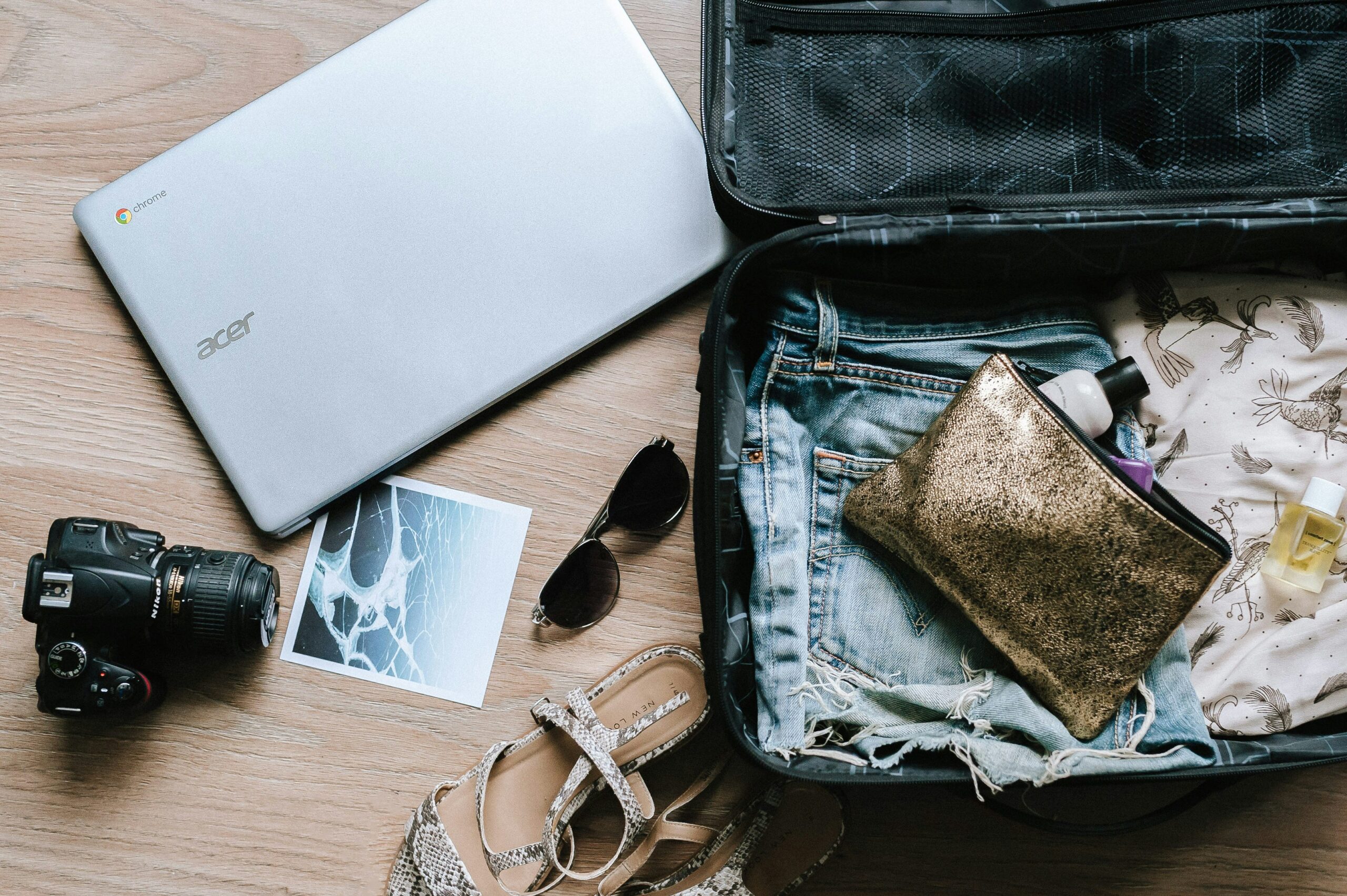
Embarking on the journey of inpatient rehabilitation is a significant step toward recovery and wellness. As you prepare for this transformative experience, it’s crucial to know what to bring to ensure a comfortable and supportive stay. This comprehensive guide outlines the essential items to pack for your inpatient rehab stay, ensuring you are well-prepared for this important phase of your journey.
Essential Personal Identification and Documentation
- Valid Identification: Bring a government-issued ID, such as a driver’s license or passport. This is essential for admission and verification purposes.
- Insurance Information: Have your health insurance card and any necessary authorization forms. This will streamline the admission process and ensure coverage for your treatment.
- Emergency Contact Information: Provide a list of emergency contacts, including names, relationships, and phone numbers.
- Medical History and Prescriptions: Include a detailed medical history and a list of current medications with dosages.
Clothing and Personal Items
- Comfortable Clothing: Pack clothes that are comfortable and suitable for various activities and therapies. Opt for layers to accommodate changing temperatures.
- Appropriate Footwear: Include shoes for different purposes – comfortable sneakers for activities, slippers for indoor use, and flip-flops for showers.
- Personal Hygiene Products: Bring essential toiletries like toothbrush, toothpaste, shampoo, soap, deodorant, and feminine hygiene products. Alcohol-free products are recommended.
- Glasses or Contact Lenses: If you require vision correction, don’t forget your glasses, contact lens supplies, and a case.
Supportive Items for Your Stay
- Journal and Writing Materials: A journal can be a powerful tool for reflection and therapy. Include pens or pencils for writing.
- Books and Reading Material: Bring books or magazines for leisure reading. Ensure they are appropriate and supportive of your recovery journey.
- Spiritual or Religious Items: If applicable, pack items that support your spiritual or religious practices, such as a prayer book or meditation aids.
Electronic Devices and Restrictions
- Limited Electronics: Understand the facility’s policy on electronics. Some may allow a phone or laptop, while others may restrict their use to promote focus on recovery.
- Chargers and Adapters: If electronics are permitted, bring chargers and any necessary adapters.
Health and Wellness Essentials
- Prescription Medications: Bring any prescribed medications in their original containers. The rehab staff will manage and administer these as needed.
- Over-the-Counter Medications: Check with the facility about their policy on over-the-counter drugs and supplements.
- Fitness Gear: If the facility offers fitness activities, consider packing appropriate attire and equipment, like a yoga mat or resistance bands.
Additional Tips for a Successful Stay
- Label Your Belongings: To avoid mix-ups, label your items with your name.
- Avoid Prohibited Items: Be mindful of the facility’s restrictions, such as no alcohol, drugs, or weapons.
- Pack Lightly But Wisely: Space may be limited, so pack efficiently while ensuring you have all essentials.
Final Thoughts
Embarking on inpatient rehab is a courageous step. Packing the right items can significantly impact your comfort and success during your stay. By following this guide, you can focus on what truly matters – your journey to recovery and wellness. Altitude Recovery is a compassionate and comprehensive addiction treatment center, offering personalized programs for recovery. Their experienced team fosters a supportive environment for a brighter, drug-free future. If you or someone you know struggles with addiction, contact Altitude Recovery for a confidential consultation. Their tailored approach ensures a successful path to healing. Take the first step towards a healthier life – contact Altitude Recovery, and they are here to guide you.