




Addiction Therapy Services in Ventura County

Addiction therapy services in Ventura County are a core part of how people recover from substance use disorders. Therapy helps individuals understand the root causes of their addiction, change harmful patterns, and build the skills needed to stay sober long-term. Without structured therapeutic support, recovery is significantly harder to sustain.

Table of Contents

What Is Addiction Therapy and How Does It Work?

Addiction therapy is a structured, evidence-based process where trained clinicians help individuals identify and change the thoughts, behaviors, and emotions that fuel substance use. Sessions may be one-on-one or in a group setting, and they are tailored to each person’s specific needs and history.

Therapy works by creating a safe space for honest self-reflection and skill-building. Over time, patients learn to recognize their triggers, manage cravings, and respond to stress in healthier ways.

Group therapy for addiction recovery in Ventura County

How Addiction Therapy Services Support Lasting Recovery

Addiction therapy does more than address substance use. It helps people rebuild relationships, restore self-worth, and develop a clear sense of direction. According to the National Institute on Drug Abuse, behavioral therapies are among the most effective tools available for addiction treatment in Ventura County. Individuals who engage in therapy during treatment have better long-term outcomes than those who do not. Therapy provides the foundation that makes other parts of recovery possible.

Altitude Recovery's Commitment to Compassionate Addiction Care

Altitude Recovery Community offers addiction therapy services in Ventura County designed around the individual, not a generic program. The team believes addiction is a disease, not a moral failure, and every aspect of care reflects that belief. From the first call to discharge and beyond, Altitude Recovery is committed to walking alongside each person in their recovery. To learn more about how therapy fits into the full treatment experience, explore residential treatment options at Altitude Recovery.

The Importance of Therapy in Addiction Recovery

Therapy is not an optional add-on to addiction treatment. It is the engine that drives meaningful, lasting change. This section explores the specific ways therapy supports recovery at every stage.

Identifying Triggers and Changing Addictive Behaviors

One of the first things therapy addresses is trigger identification. Triggers are the people, places, emotions, or situations that increase the urge to use substances. Without recognizing them, avoiding relapse becomes much harder. Therapists work with patients to map out their personal triggers and develop concrete strategies for responding differently. This process directly targets the behavioral patterns that keep addiction in place.

Building Coping Skills and Emotional Regulation for Recovery

Many people turn to substances as a way to manage difficult emotions. Therapy teaches healthier alternatives, including breathing techniques, grounding exercises, and cognitive reframing—giving patients real options when stress or discomfort arises. Emotional regulation is a skill that can be learned and strengthened over time. With consistent therapeutic support, individuals become better equipped to handle life’s challenges without returning to substance use.

Strengthening Relationships and Communication During Treatment

Addiction often damages trust and communication within families and close relationships. Therapy helps patients develop the interpersonal skills needed to repair those connections and build healthier ones going forward. Learning to communicate honestly and set boundaries is a critical part of long-term recovery. These skills reduce conflict, improve support systems, and make it easier to stay accountable.

Preventing Relapse and Sustaining Long-Term Recovery

Relapse prevention is one of the most important goals of addiction therapy. Therapists help patients create personalized plans that outline warning signs, coping strategies, and steps to take if a relapse occurs. According to the National Institute on Drug Abuse, relapse rates for substance use disorders are similar to those of other chronic conditions, making ongoing therapeutic support essential. Therapy keeps recovery active and intentional.

Addiction Recovery Success Stories

Testimonials

Evidence-Based Addiction Therapy Services at Altitude Recovery Community

Altitude Recovery Community offers a focused set of evidence-based therapies proven effective for treating substance use disorders. Each modality is selected for its clinical value and its ability to support real, lasting change.

Cognitive Behavioral Therapy (CBT) for Addiction in Ventura County

CBT for addiction helps patients identify the negative thought patterns that lead to substance use. By challenging distorted thinking and replacing it with healthier responses, CBT creates a direct path toward behavioral change. CBT also equips patients with practical coping strategies for managing stress, cravings, and high-risk situations. It is one of the most well-researched therapies in addiction treatment and is a cornerstone of care at Altitude Recovery.

Dialectical Behavior Therapy (DBT) for Substance Use Disorders

DBT was originally developed to treat individuals with intense emotional experiences, and it translates powerfully into addiction recovery. It focuses on four core skill areas: emotional regulation, distress tolerance, mindfulness, and interpersonal effectiveness. For individuals whose substance use is closely tied to emotional pain or impulsivity, DBT provides structured tools to manage those experiences without turning to drugs or alcohol.

Acceptance and Commitment Therapy (ACT) for Addiction Recovery

ACT helps individuals stop fighting against difficult emotions and instead learn to accept them without letting those emotions drive harmful behavior. This shift in perspective reduces the psychological struggle that often fuels substance use. ACT also encourages values-based living, helping patients reconnect with what matters most to them and commit to actions that align with those values—creating a strong motivational foundation for long-term recovery.

Group Therapy for Addiction Recovery in Ventura County

Group therapy brings patients together to share experiences, offer support, and hold one another accountable. Hearing from peers who understand the same struggles can be deeply validating and reduce the isolation that often accompanies addiction. At Altitude Recovery, group therapy is conducted in small cohorts, which allows for genuine connection and meaningful conversation. This community-based approach reinforces that no one has to recover alone.

Individualized Addiction Therapy Services for Recovery

No two people experience addiction the same way, which is why individualized care matters so much. Altitude Recovery builds each treatment plan around the specific needs, history, and goals of the individual.

Personalized Treatment Planning for Addiction Therapy

From the moment someone enters care, the clinical team works to understand their full picture, including the substances involved, the duration of use, and any co-occurring emotional challenges. This information shapes a therapy plan that is relevant and realistic. Personalized planning means therapy evolves as the patient does. Adjustments are made throughout treatment to ensure each person is getting the support they actually need.

Small Cohorts and Community Support in Ventura County

Altitude Recovery intentionally keeps its cohorts small, typically around six people. This creates an environment where patients receive genuine attention and where real relationships can form between peers. Small group settings also allow therapists to be more responsive and attentive. Every person in the program is known by name, not just by a case number.

Compassionate, Attentive Staff Dedicated to Your Recovery

The clinical team at Altitude Recovery is made up of credentialed professionals who are deeply committed to the people they serve. Staff members are present, engaged, and invested in each patient’s progress. This level of attentiveness makes a real difference in treatment outcomes. When patients feel seen and supported, they are more likely to engage fully in therapy and stay committed to recovery.

Addiction Therapy in Residential Treatment Programs

Therapy does not happen in isolation. At Altitude Recovery, it is woven into every part of the residential treatment experience, from the earliest days of detox through the transition to continued care.

Integrating Therapy Into Detox and Residential Addiction Care

During detox, the body is stabilizing, but the mind also needs support. Therapeutic check-ins during this phase help patients process what they are experiencing and begin building the skills they will use throughout treatment. Once detox is complete, therapy becomes a daily part of residential care. Individual and group sessions provide consistent structure and a clear sense of forward momentum.

Daily Structure and Consistent Therapeutic Support

A predictable daily schedule is one of the most stabilizing elements of residential treatment. Knowing what to expect each day reduces anxiety and helps patients stay focused on their recovery goals. Consistent therapeutic engagement also reinforces the skills being learned. Repetition and practice are how new habits take hold, and daily therapy makes that possible.

24/7 Support and Seamless Transition to Ongoing Care

Recovery does not pause after business hours. Altitude Recovery provides around-the-clock support so that patients always have access to help when they need it most. As patients near the end of their residential stay, the clinical team works with them to plan a smooth transition into continued care. This continuity is essential for maintaining the progress made during treatment.

Conditions Addressed by Addiction Therapy Services

Addiction rarely exists on its own. Many individuals entering treatment are also managing emotional and psychological symptoms that have developed alongside or contributed to their substance use.

Substance Use Disorders and Co-Occurring Mental Health Symptoms

Altitude Recovery’s addiction therapy services address substance use disorders involving alcohol, opioids, fentanyl, methamphetamine, and cocaine. Clinicians are trained to recognize when emotional symptoms are also present and to incorporate that awareness into treatment.

Addressing Anxiety, Depression, and Bipolar Disorder in Recovery

Therapy can help individuals who are struggling with substance use alongside symptoms of anxiety, depression, or bipolar disorder. These conditions often interact with addiction in ways that make both harder to manage without professional support. By addressing these symptoms within the context of addiction therapy, patients gain a more complete understanding of their experience and more effective tools for managing it.

Specialized Support for Veterans, College Students, and Adults

Altitude Recovery offers luxury drug rehab for veterans, college students, and adults navigating addiction. Each of these groups faces unique pressures and circumstances that shape how addiction develops and how recovery unfolds. Therapy is adapted to reflect those differences. Veterans navigating the transition to civilian life, college students managing academic stress, and adults balancing family and work responsibilities all receive care that speaks directly to their situation.

Why Choose Altitude Recovery Community for Addiction Therapy Services?

Choosing a treatment program is one of the most important decisions a person or family will ever make. Altitude Recovery Community offers a combination of clinical quality, genuine compassion, and individualized attention that sets it apart.

Compassionate, Credentialed Addiction Treatment Team

Every member of the Altitude Recovery clinical team holds relevant credentials and brings a genuine commitment to patient care. The team approaches each person with respect, empathy, and a belief in their capacity to recover. This combination of professional expertise and human warmth creates a therapeutic environment where real change is possible.

Welcoming, Home-Like Environment for Recovery

Altitude Recovery’s facility is designed to feel safe and comfortable, not institutional. A home-like setting reduces the anxiety that often comes with entering treatment and helps patients settle into the recovery process more quickly. The environment itself communicates that patients are valued and that their comfort matters.

Evidence-Based, Individualized Addiction Therapy Services

Every therapy offered at Altitude Recovery is grounded in clinical research. CBT, DBT, ACT, and group therapy are all supported by strong evidence and delivered by trained professionals. Individualization ensures that evidence-based methods are applied in ways that are meaningful and relevant to each patient’s specific experience.

Insurance Acceptance and Scholarship Opportunities for Treatment

Altitude Recovery accepts PPO and POS insurance plans and works with patients to verify benefits before admission. For those without insurance coverage, scholarship opportunities are available to help make treatment accessible. Financial barriers should not stand between someone and the help they need. Altitude Recovery is committed to finding a path forward for every person who reaches out.

When to Seek Addiction Therapy Services in Ventura County

Knowing when to seek help is not always easy. Many people wait longer than necessary because they are unsure whether their situation is serious enough or because they are afraid of what treatment might look like. The right time to seek addiction therapy services in Ventura County is when substance use is causing harm, whether to health, relationships, work, or daily functioning. Early intervention leads to better outcomes, and no threshold of suffering must be reached before asking for help.

Some signs that therapy may be needed include:

  • Inability to cut back or stop using despite wanting to
  • Using substances to cope with stress, anxiety, or emotional pain
  • Withdrawal symptoms when not using
  • Neglecting responsibilities or relationships due to substance use
  • Continued use despite negative consequences

If any of these signs are familiar, reaching out to a treatment provider is the right next step. Altitude Recovery’s admissions team is available around the clock to answer questions and help determine the best path forward.

Las Tuero Campus

Our Expert Team

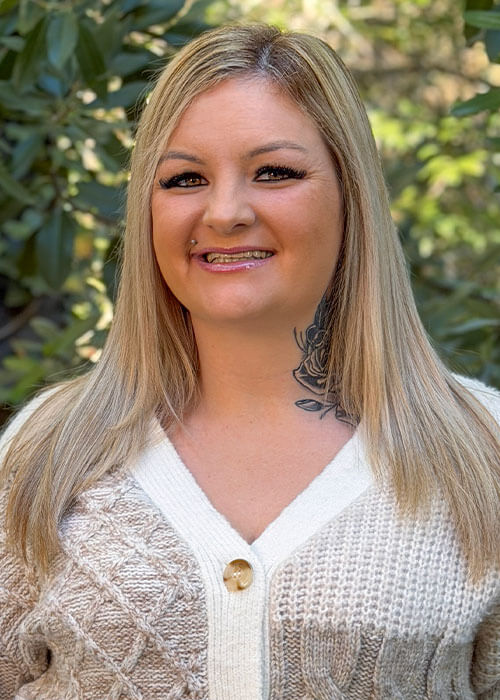
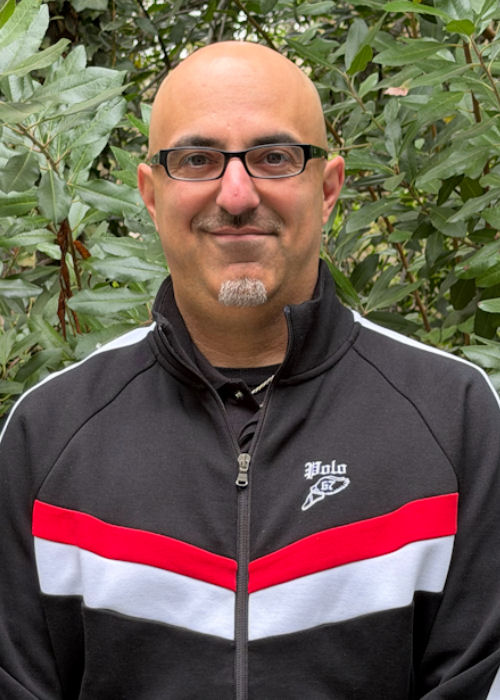
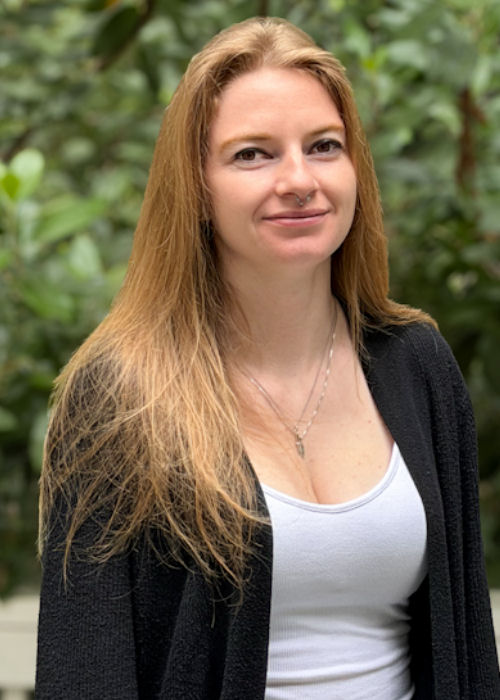
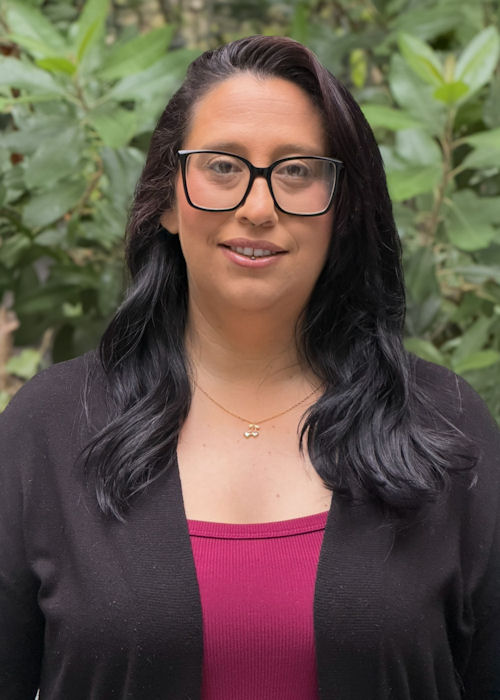
The team at Altitude Recovery is made up of compassionate professionals dedicated to helping you achieve lasting recovery. With decades of combined experience in addiction treatment and mental health care, our staff provides the expertise, empathy, and individualized support needed for true healing. 

Each team member is committed to guiding you toward a healthier, more fulfilling life—one step at a time. Learn more by clicking on a profile below.

Start Recovery With Compassionate Addiction Therapy Services

Taking the first step toward recovery takes courage, and no one should have to take it alone. Altitude Recovery Community is here to help, with real people answering calls, immediate insurance verification, and a safe, welcoming environment ready to receive anyone who reaches out. Whether the call comes for a loved one or for oneself, the team at Altitude Recovery will listen without judgment and respond with care. Contact Altitude Recovery today to speak with an admissions specialist and take the first step toward lasting recovery.

Frequently Asked Questions About Addiction Therapy Services

Addiction therapy helps individuals identify the thoughts, emotions, and behaviors that drive substance use and replace them with healthier patterns. It also builds coping skills, strengthens relationships, and supports relapse prevention over the long term.

Altitude Recovery Community offers CBT, DBT, ACT, and group therapy as part of its residential treatment program in Ventura County. Each therapy is evidence-based and tailored to the individual’s specific needs and recovery goals.

CBT for addiction is a structured therapy that helps patients recognize and change the negative thought patterns that lead to substance use. It provides practical coping strategies for managing stress, cravings, and high-risk situations, and is one of the most well-researched approaches in addiction treatment.

Yes. Group therapy provides peer support, shared accountability, and a sense of community that is difficult to replicate in individual sessions alone. Research supports its effectiveness as part of a comprehensive addiction treatment program.

Yes. Every patient at Altitude Recovery receives a treatment plan built around their individual history, needs, and goals. Plans are adjusted throughout treatment to reflect each person’s progress and evolving needs.

Many PPO and POS insurance plans cover addiction therapy services in Ventura County. Altitude Recovery works directly with patients to verify their benefits before admission, and scholarship options are available for those who need additional financial support.