

At Altitude Recovery, we recognize the profound emotional impact of dual diagnosis. Our addiction treatment programs address co-occurring conditions simultaneously, providing a better foundation for recovery.

Dual diagnosis, also known as co-occurring disorders, refers to the presence of a mental health disorder and a substance use disorder simultaneously. Mental health issues, such as anxiety disorders, mood disorders, psychiatric disorders, post-traumatic stress disorder (PTSD), generalized anxiety disorder, personality disorders, and major depressive disorder, are commonly paired with substance abuse challenges. This combination makes the path to recovery more challenging, as the symptoms of one disorder can exacerbate the other, which is why accurate mental health diagnoses matter.
Recognizing and treating both conditions concurrently is vital for a successful recovery journey. Dual Diagnosis treatment in Southern California typically uses an integrated approach with evidence-based treatment, individualized and specialized addiction treatment plans, and holistic methods to address both conditions together through evidence-based care.

Dual diagnosis treatment is important because it provides comprehensive evaluation for related disorders when treating drug addiction. Its benefits include:
- Improved Outcomes. Treating both mental disorders and substance use disorders simultaneously leads to better outcomes than treating each condition separately. Integrated treatment tackles the intricate connections between psychological and addiction issues, and dual diagnosis treatment includes both medical detox and rehabilitation as part of care for co-occurring disorders, reducing the chances of relapse and promoting sustained recovery.
- Relapse Prevention. Dual diagnosis treatment focuses on finding and managing triggers that can lead to relapse. By providing ongoing support, aftercare services, and relapse prevention strategies, these programs assist individuals in maintaining their recovery, building resilience against future challenges, and supporting lasting recovery and well-being.
- Enhanced Quality of Life. Dual diagnosis treatment aims to improve the overall quality of life for individuals struggling with co-occurring disorders. Through individualized care and comprehensive treatment, patients regain control of their lives, develop healthy coping skills, and work toward long-term stability and happiness.

- Individualized Treatment Plans: We create personalized treatment plans tailored to each individual’s unique needs, focusing on the specific combination of mental health symptoms and substance abuse issues.
- Experienced Staff: Our team of therapists and addiction specialists brings extensive experience and compassion, and they work closely across disciplines to treat intricate dual-diagnosis disorders effectively.
- Evidence-based therapies: Our dual diagnosis program integrates modalities like CBT and DBT with other addiction therapies such as group therapy for comprehensive treatment.
- Comprehensive Support: From the admissions team to the aftercare planning, we provide continuous and comprehensive support for every step of your recovery journey. This includes psychiatric care for co-occurring disorders and medical detox to help manage withdrawal symptoms.
- Accredited Facilities: Altitude Recovery is accredited by The Joint Commission and certified by LegitScript. Accredited facilities help ensure compliance with treatment standards for mental health and addiction.
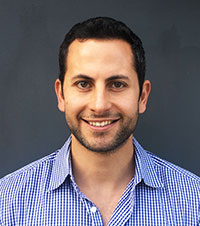
Dr. Eric Chaghouri is a 2007 graduate from the University of California, Los Angeles, where he earned his B. A. in Biology with Summa Cum Laude honors. While at UCLA, he helped the men’s varsity volleyball team earn a National Championship in 2006. He was named the UCLA Scholar-Athlete of the Year in 2007. He earned his medical degree from the Keck School of Medicine in 2011. He completed his internship training in 2008 at Cedars-Sinai Medical Center and the remaining three years of residency in general adult psychiatry at the Los Angeles County and University of Southern California Medical Center. He served as the Chief Resident in psychiatric emergency services during his fourth year of residency. He also served as Resident Clinical Instructor and Volunteer Faculty in the Department of Psychiatry at the Keck School of Medicine.
After completing residency, Dr. Chaghouri accepted a fellowship position in forensic psychiatry at the prestigious USC Institute of Psychiatry and Law. His scholarly activities included publishing in Legal Digest and presenting research findings at the Keck School of Medicine annual conference. Since completing his forensic psychiatry fellowship, he has established a successful and thriving practice in Southern California, focusing on treatment of co-occurring psychiatric and addictive disorders. He has developed a strong clinical team of practitioners who share similar goals and philosophies regarding psychiatric treatment, including providing cutting-edge interventional treatments for psychiatric conditions. He works in an array of capacities with attorneys, courts, and other parties in actual or potential litigation. He also has extensive experience consulting and providing opinions on psychiatric issues for major television networks. Dr. Chaghouri’s interests include addiction medicine, substance use disorders, forensic psychiatry, medical ethics, psychological autopsy, gender wellness, and evidence-based treatment of psychiatric conditions.