

Group Therapy in Ventura County

Group therapy is one of the most effective tools in addiction treatment, and for good reason. It brings people together around a shared experience, creating a space where healing happens not just through clinical guidance, but through human connection. For adults struggling with alcohol, opioids, fentanyl, meth, or cocaine, that sense of belonging can be the difference between giving up and pushing forward.

Table of Contents

The Importance of Group Therapy in Substance Use Treatment

Research consistently shows that group-based treatment improves outcomes for people with substance use disorders. According to the Substance Abuse and Mental Health Services Administration (SAMHSA), group therapy is a cornerstone of evidence-based addiction care, helping individuals build the skills and support systems needed for lasting recovery.

How Peer Support in Group Therapy Promotes Lasting Recovery

Peer support reduces the isolation that often fuels addiction. When someone hears their own story reflected back through another person’s experience, shame begins to lose its grip. That shared understanding creates motivation, accountability, and a sense of hope that is hard to find in any other setting.

Altitude Recovery’s Commitment to Group Therapy in Camarillo

Altitude Recovery integrates group therapy into every stage of its residential addiction treatment program in Camarillo, California. With small six-person cohorts, licensed clinicians, and a personalized approach to care, Altitude Recovery offers group therapy that feels meaningful rather than generic. If addiction is affecting your life or the life of someone you love, effective, compassionate support is closer than you think.

What Is Group Therapy for Addiction Recovery?

Group therapy for addiction recovery is a structured, clinician-led treatment in which a small number of individuals meet regularly to work through the emotional, behavioral, and psychological challenges of addiction. It is not a support group or a casual meeting. It is a therapeutic process guided by trained professionals with clear clinical goals.

Group Therapy Defined: Core Principles and Approach

At its core, group therapy is built on the idea that healing happens in relationships. Participants share experiences, offer feedback, and practice new skills in a safe environment. The group itself becomes a therapeutic tool, reflecting real-world dynamics while providing a structured space to grow.

Types of Group Therapy in Ventura County: Process, Psychoeducational, and Recovery-Focused

There are several types of group therapy used in addiction treatment. Process groups focus on interpersonal dynamics and emotional exploration. Psychoeducational groups teach skills and information about addiction and recovery. Recovery-focused groups center on relapse prevention, goal setting, and building a sober lifestyle. Altitude Recovery uses a combination of these approaches to meet each client where they are.

The Role of Licensed Group Therapy Facilitators

Every group therapy session at Altitude Recovery is led by a licensed clinician with specialized training in addiction and mental health. Facilitators guide discussions, manage group dynamics, and ensure that every participant feels safe and supported. Their presence keeps sessions focused, productive, and therapeutically grounded.

Shared Learning and Peer Support in Group Therapy

One of the most powerful aspects of group therapy is learning from others who truly understand. Peers offer perspectives that clinicians alone cannot provide. Hearing how someone else navigated a difficult moment, managed a craving, or rebuilt a relationship after addiction can be profoundly motivating for someone earlier in their recovery journey.

How Does Group Therapy Support Addiction Recovery in Ventura County?

Group therapy addresses some of the deepest wounds that addiction creates, including isolation, shame, and a loss of identity. In Ventura County, where community resources vary widely, access to structured, high-quality group therapy within a residential setting makes a significant difference in recovery outcomes.

Addiction thrives in secrecy. Group therapy breaks that cycle by creating a space where honesty is welcomed, and judgment is replaced with understanding. Many people enter treatment feeling deeply alone. Group therapy helps them realize they are not.

When someone knows their peers are invested in their progress, they show up differently. Group therapy creates natural accountability, not through pressure, but through genuine care. Members invest in each other’s recovery, which strengthens their own commitment to staying the course.
Many people in recovery never learned healthy ways to express emotions or handle conflict. Group therapy provides a safe space to practice those skills in real time. Over time, participants become more confident communicating their needs, setting boundaries, and managing stress without turning to substances.

Hearing someone further along in recovery describe their progress can reignite hope in someone who feels stuck. Group therapy offers a perspective that is hard to find elsewhere. It reminds participants that recovery is possible, and that others have walked the same difficult road and come out the other side.

Key Benefits of Group Therapy for Substance Use Disorders

The benefits of group therapy extend well beyond the session itself. The skills, relationships, and insights gained in group carry into daily life, supporting recovery long after treatment ends.

Peer Support and Connection in Ventura County Group Therapy

Meaningful peer relationships are one of the strongest predictors of long-term sobriety. Group therapy creates the conditions for those relationships to form. Participants build trust, offer encouragement, and hold each other accountable in ways that feel genuine rather than clinical.

Accountability and Honest Feedback in Group Settings

Group therapy creates a culture of honest, compassionate feedback. Participants learn to hear difficult truths without shutting down, and to offer feedback without judgment. That skill, practiced consistently in a group, becomes a foundation for healthier relationships outside of treatment.

Enhanced Communication and Interpersonal Skills

Addiction often damages communication patterns, leading to avoidance, dishonesty, or emotional outbursts. Group therapy helps participants rebuild those patterns by practicing open, respectful dialogue in a structured setting. Over time, these skills become second nature.

Increased Self-Awareness and Insight Through Group Participation

Seeing how others respond to your words and behaviors is one of the fastest ways to build self-awareness. Group therapy holds up a mirror, helping participants recognize patterns, triggers, and blind spots that individual therapy alone may not surface. That insight is essential for lasting change.

Addiction Recovery Success Stories

Testimonials

What to Expect in a Group Therapy Session in Camarillo

For many people, the idea of sharing personal struggles with strangers feels intimidating. Understanding what actually happens in a group therapy session can ease that anxiety and help new participants feel more prepared.

Most sessions begin with a brief check-in, where each participant shares how they are feeling and what is on their mind. From there, the facilitator guides the group into a focused discussion or activity. Sessions typically last 60 to 90 minutes and follow a consistent structure that helps participants feel grounded and safe.

Facilitators introduce topics, prompt reflection, and guide the group through evidence-based exercises drawn from therapies like CBT and DBT. These activities are designed to build practical skills, not just generate conversation. Participants leave each session with something concrete to apply to their recovery.

Group therapy creates space for emotional processing that many people have never experienced before. Participants learn to name and express feelings, explore the roots of their substance use, and receive support from peers who genuinely understand. Recovery education components help participants understand addiction as a disease and build a framework for long-term sobriety.

Confidentiality is a non-negotiable foundation of group therapy. Participants agree to keep what is shared in the group within the group. Facilitators reinforce this expectation consistently, creating an environment where people feel safe enough to be honest. That safety is what makes real therapeutic work possible.

Why Small Group Therapy Cohorts Work Best at Altitude Recovery

Most large treatment centers run group therapy sessions with 10, 15, or even 20 participants. At Altitude Recovery, groups are intentionally kept to six people. That difference is not cosmetic. It fundamentally changes the quality of the therapeutic experience.

The Six-Person Group Therapy Model in Ventura County

With only six participants per cohort, every person has a real voice in the room. There is no hiding in the back, no getting lost in the crowd. Each session is an active, engaged experience where every participant’s progress matters to the group.

Individualized Attention and Active Participation

Smaller groups allow facilitators to give each participant more direct attention and personalized feedback. Clinicians can track individual progress more closely, adjust the focus of sessions based on group needs, and ensure that no one falls through the cracks.

Building Trust and Strong Peer Relationships

Trust takes time to build, and it builds faster in smaller groups. When the same six people show up together day after day, they develop genuine bonds. Those relationships often extend beyond treatment, becoming part of a long-term recovery support network.

Enhanced Psychological Safety and Meaningful Group Discussions

Psychological safety, the sense that it is safe to speak honestly without fear of judgment, is easier to establish in a small group. Participants open up more quickly, go deeper in their sharing, and engage more authentically. That depth of engagement is what makes group therapy truly transformative.

How Altitude Recovery Integrates Group Therapy Into Addiction Treatment

Group therapy does not exist in isolation at Altitude Recovery. It is woven into a comprehensive, evidence-based treatment model that addresses every dimension of addiction and recovery.

Group therapy is a daily component of Altitude Recovery’s residential inpatient program. Participants engage in group sessions alongside individual therapy, recovery meetings, and structured daily activities. This consistent exposure to group work accelerates growth and reinforces recovery skills in real time.

Altitude Recovery’s clinical team integrates group therapy with Cognitive Behavioral Therapy (CBT), Dialectical Behavior Therapy (DBT), trauma-informed care, and solution-focused therapy. Each modality reinforces the others, creating a treatment experience that is greater than the sum of its parts.

Treatment plans at Altitude Recovery are built around each individual’s history, needs, and goals. Group therapy assignments, session focus areas, and aftercare planning are all tailored to support each client’s unique recovery journey. Discharge does not mean the end of support. Clients leave with a clear plan and ongoing community connection.

For many clients, recovery begins with medically supervised detox before transitioning into residential treatment and group therapy. Altitude Recovery provides both services under one roof, ensuring a seamless, supported transition from physical stabilization to therapeutic healing.

Las Tuero Campus

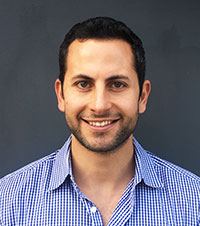
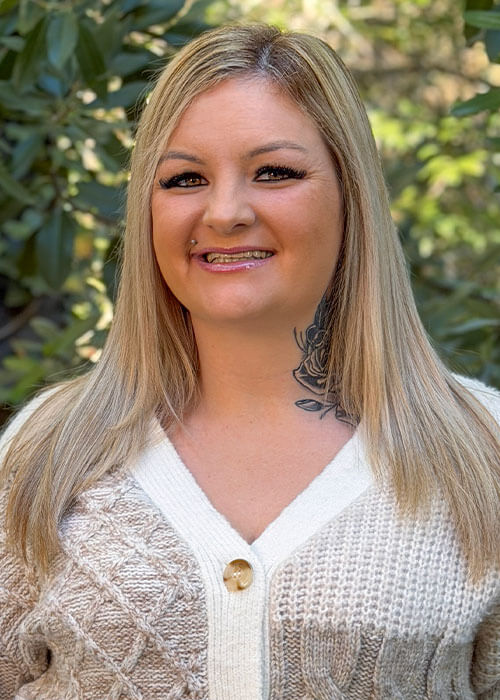
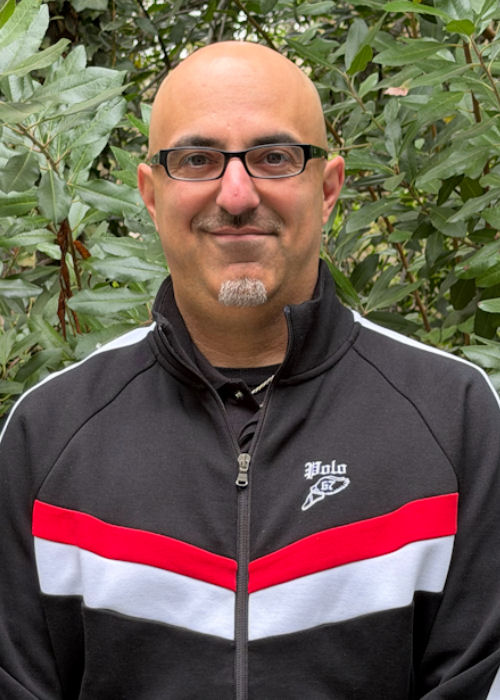
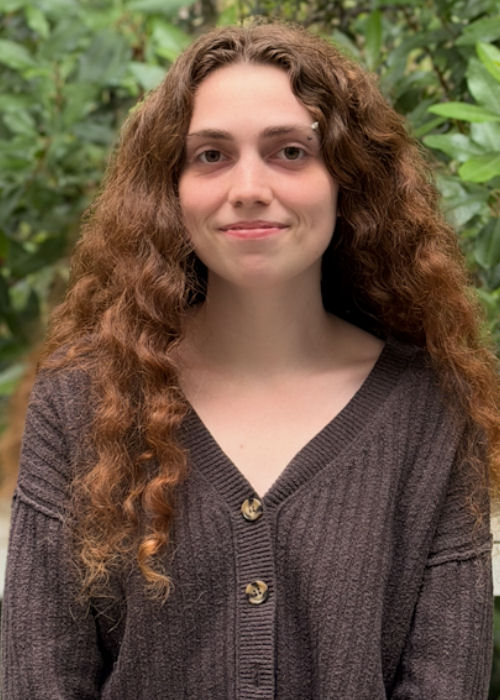
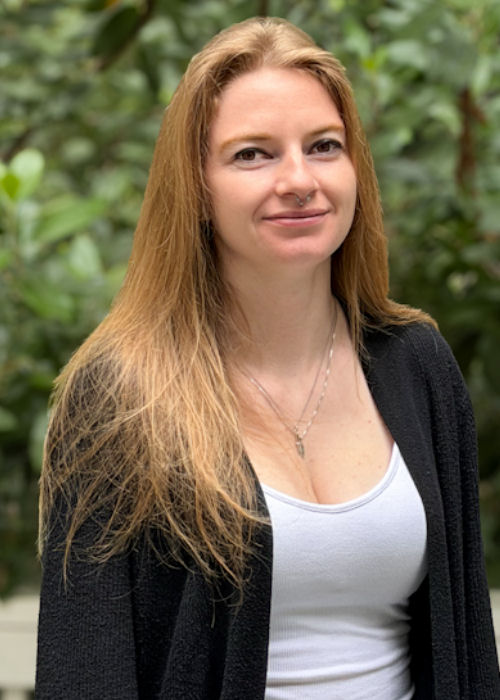
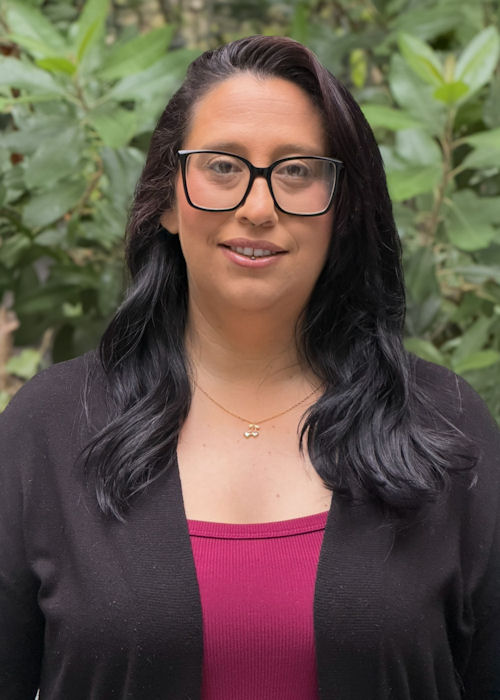
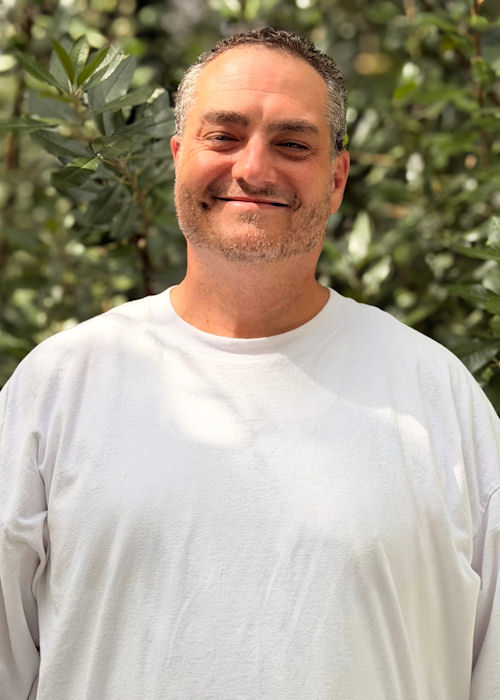
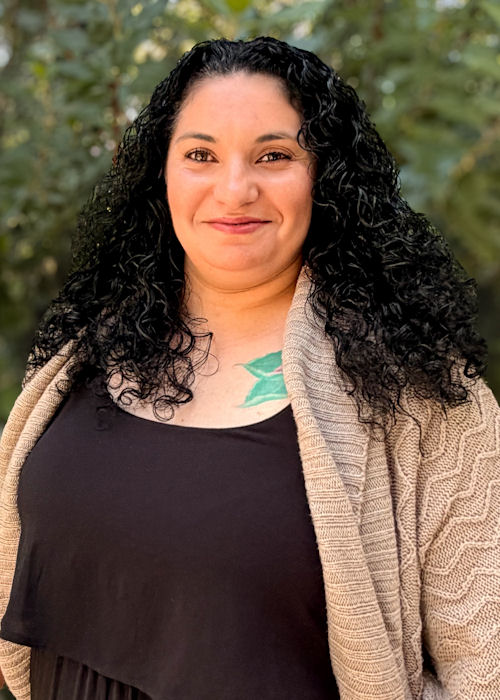
Our Expert Team

The team at Altitude Recovery is made up of compassionate professionals dedicated to helping you achieve lasting recovery. With decades of combined experience in addiction treatment and mental health care, our staff provides the expertise, empathy, and individualized support needed for true healing. 

Each team member is committed to guiding you toward a healthier, more fulfilling life—one step at a time. Learn more by clicking on a profile below.

Start Your Recovery Journey in Ventura County

Recovery is possible, and it does not have to happen alone. Group therapy in Ventura County, delivered within a structured residential program, gives people the tools, relationships, and support they need to build a life free from addiction. The path forward starts with one decision: reaching out.

Altitude Recovery Community is ready to help. With small cohorts, experienced clinicians, luxury residential facilities, and a genuine commitment to personalized care, Altitude Recovery offers group therapy that makes a real difference. PPO and POS insurance plans are accepted, and scholarship opportunities may be available for those who qualify. Contact Altitude Recovery today to learn more or to verify your insurance benefits.

Group Therapy Ventura County: Frequently Asked Questions

Altitude Recovery offers process groups, psychoeducational groups, and recovery-focused groups as part of its residential treatment program. These are integrated with CBT, DBT, trauma-informed care, and evening recovery meetings to provide comprehensive support.

Group therapy builds the peer relationships, communication skills, and self-awareness that sustain recovery after treatment ends. The accountability and sense of community formed in group sessions often become a lasting part of a person’s support network.

Your first session will typically begin with a check-in and a brief introduction to group norms, including confidentiality expectations. Facilitators guide the conversation in a supportive, structured way, and new participants are never pressured to share more than they are comfortable with.

Cohorts are formed based on clinical assessment, treatment stage, and individual needs. Keeping groups to six participants ensures that each person receives meaningful attention and has the opportunity to build genuine peer relationships.

Altitude Recovery accepts PPO and POS insurance plans. Scholarship opportunities may also be available for eligible individuals. Contacting the admissions team directly is the fastest way to verify your coverage and explore financial options.