





Your questions, answered.
Frequently Asked Questions
Altitude Recovery Community is not your typical substance abuse treatment program. We started our program with one single goal in mind: to provide high-quality, personalized treatment that is accessible.
Guiding You to Lasting Recovery
Table of Contents
ToggleFrequently Asked Questions
When it comes to seeking treatment for substance abuse, it can be very overwhelming. Altitude Recovery Community took the time to answer the most commonly asked questions we seen when someone is looking to get help for a drug or alcohol problem.
Inpatient treatment like Altitude Recovery, typically referred to as residential treatment, is when a client lives on-site 24 hours a day and receives clinical treatment throughout the day. Most programs last from 30-60 days depending on the person. Outpatient treatment is when a client lives at home or in a sober living environment and attends treatment a few days a week on an outpatient basis.
Altitude Recovery Community works with most major insurance providers who cover out-of-network benefits. Typically PPO, POS or EPO plans that will cover almost all of the costs associated with treatment. In addition to accepting private insurance, we offer affordable self-pay rates.
Of course! We encourage loved ones to participate in the treatment process. From family workshops to virtual therapy sessions, we are here to make sure your entire family heals from the disease of addiction.
Typically, detox can last anywhere from 7-10 days, sometimes less and sometimes more, depending on the user’s history with substances. Altitude Recovery Community utilizes the latest advancements and medications to ensure a safe and comfortable detox process.
You are free to leave at any time. Treatment is completely voluntary and while we encourage everyone to complete their stay in treatment, we cannot force you to stay.
Depending on the state you live in the answer could be yes or no. While some states have laws that can mandate a person to treatment, studies show when the person enters treatment on their own accord their chances of success increase.
Dual-diagnosis treatment is treatment for substance abuse and co-occurring mental illness. Over 43% of those with a substance abuse disorder suffer from a co-occurring mental illness that can be a barrier to success in recovery. Here at Altitude Recovery Community, we help identify and treat any issues that could stop you from succeeding in recovery.
While the standard for treatment is currently 30 days of inpatient care, here at Altitude Recovery Community we do not take the one-size-fits-all approach. Through our immersive and innovative programming, we offer clients treatment plans that are specific to their needs. Some clients may attend our program for 45 days, while others may stay for 90 days. Each stay is unique to the user.
Once you become a part of our community you are with us for life. Altitude Recovery Community is here for our clients long after they leave our program. Before you leave, we will ensure you have an aftercare plan that works for your needs.
Don't Wait Any Longer to Change Your life.
Request a Confidential callback
Don't Wait Any Longer to Change Your life.
We Work With Most Major Insurance.
Altitude Recovery Community works with most major PPO & POS insurance plans that cover out-of-network benefits. We will work so you have little to no out-of-pocket costs when it comes to getting help for substance abuse at our luxury drug rehab in Camarillo, CA. To find out your benefits and coverage for treatment, click the button below to get a free benefits check right now.
Our program is unable to accept Medi-Cal, Medicaid, or Medicare plans at this time, however, please feel free to contact us for a list of programs that do.

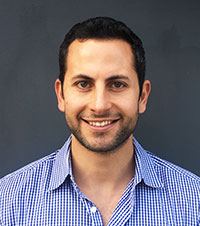
Dr. Eric Chaghouri is a 2007 graduate from the University of California, Los Angeles, where he earned his B. A. in Biology with Summa Cum Laude honors. While at UCLA, he helped the men’s varsity volleyball team earn a National Championship in 2006. He was named the UCLA Scholar-Athlete of the Year in 2007. He earned his medical degree from the Keck School of Medicine in 2011. He completed his internship training in 2008 at Cedars-Sinai Medical Center and the remaining three years of residency in general adult psychiatry at the Los Angeles County and University of Southern California Medical Center. He served as the Chief Resident in psychiatric emergency services during his fourth year of residency. He also served as Resident Clinical Instructor and Volunteer Faculty in the Department of Psychiatry at the Keck School of Medicine.
After completing residency, Dr. Chaghouri accepted a fellowship position in forensic psychiatry at the prestigious USC Institute of Psychiatry and Law. His scholarly activities included publishing in Legal Digest and presenting research findings at the Keck School of Medicine annual conference. Since completing his forensic psychiatry fellowship, he has established a successful and thriving practice in Southern California, focusing on treatment of co-occurring psychiatric and addictive disorders. He has developed a strong clinical team of practitioners who share similar goals and philosophies regarding psychiatric treatment, including providing cutting-edge interventional treatments for psychiatric conditions. He works in an array of capacities with attorneys, courts, and other parties in actual or potential litigation. He also has extensive experience consulting and providing opinions on psychiatric issues for major television networks. Dr. Chaghouri’s interests include addiction medicine, substance use disorders, forensic psychiatry, medical ethics, psychological autopsy, gender wellness, and evidence-based treatment of psychiatric conditions.