
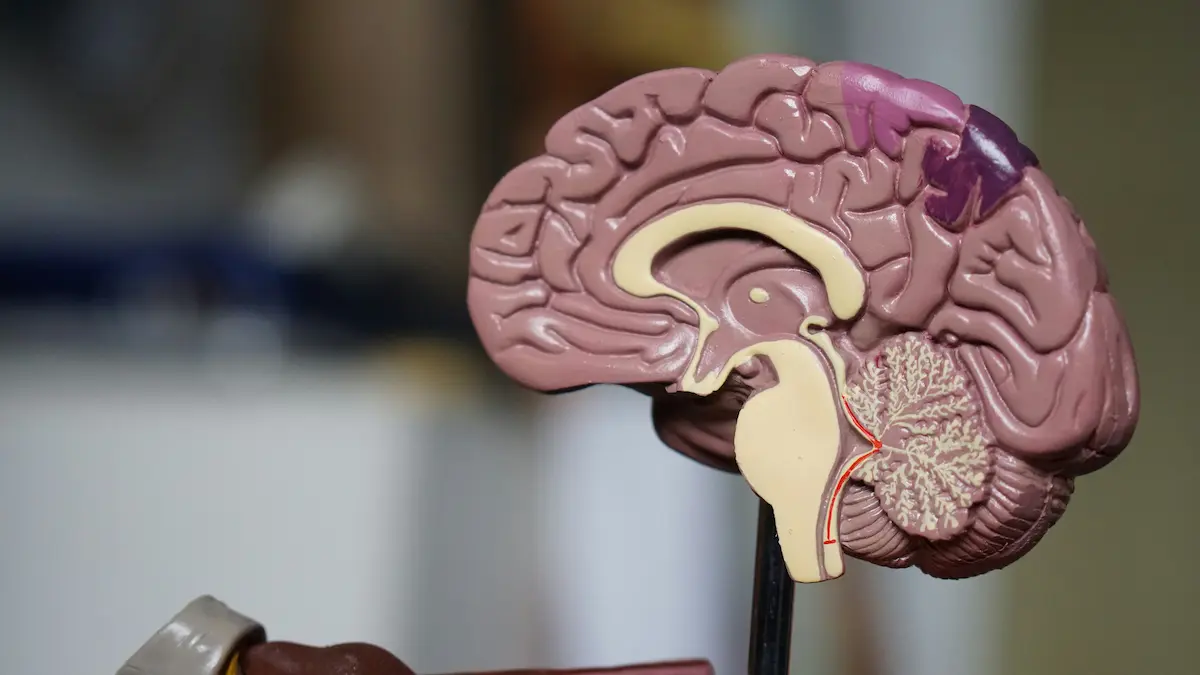
Alcohol can quickly affect your brain, changing how you think, feel, and move. The effects range from immediate issues like impaired judgment to long-term damage to memory and cognition. This article will explain how alcohol affects the brain and what you should be aware of.
Key Takeaways
- Alcohol’s immediate effects on the brain include impaired judgment, decreased motor skills, and cognitive impairments, even with moderate consumption.
- Prolonged alcohol use can lead to irreversible brain damage, impacting memory and cognitive functions and increasing the risk of mental health disorders.
- Early recognition of alcohol-related symptoms and timely intervention can significantly improve recovery outcomes through personalized treatment and comprehensive support.
Immediate Effects of Alcohol on the Brain
The effects of drinking alcohol can be felt almost immediately. Within minutes, alcohol reaches the brain and begins to interfere with its communication pathways, leading to altered mood, impaired judgment, and decreased motor skills. These initial changes can result in risky behavior and poor decision-making, illustrating how quickly alcohol can impact the brain’s functioning.
As alcohol interferes with the brain’s normal processes, even moderate drinking can lead to noticeable changes in behavior and cognitive abilities. Recognizing these immediate effects helps in understanding the potential dangers of alcohol consumption.
Alcohol in Your System
When you drink alcohol, it is rapidly absorbed into the blood stream and quickly makes its way to the brain. This rapid absorption means the effects of alcohol are noticeable within minutes. The level of alcohol in your blood, known as Blood Alcohol Concentration (BAC), determines how much alcohol affects your brain, body, and blood pressure.
For example, even one drink can significantly impair your reaction time and judgment in a short period, while excessive drinking can lead to severe impairments and even alcohol poisoning. Additionally, drinks can have a similar effect.
Short-term Cognitive Impairments
Alcohol causes immediate cognitive impairments like slurred speech and slower reaction times. These effects occur because alcohol impacts the nervous system, leading to lightheadedness and impaired coordination. Even brief drinking sessions can significantly impair clear thinking and quick responses, raising the risk of accidents and injuries.
Impaired judgment and coordination are especially dangerous in activities requiring precision, like driving or operating machinery.
Impact on Coordination and Motor Skills
Alcohol affects the cerebellum, impairing coordination and motor skills. Individuals who drink heavily may experience difficulties in activities requiring precise movements, such as walking straight or speaking clearly. Alcohol disrupts brain communication pathways, causing reduced coordination and motor skills.
Long-term alcohol abuse can cause lasting damage to the cerebellum, resulting in chronic balance and coordination issues.
Long-term Brain Damage from Excessive Drinking
Prolonged excessive drinking can cause significant, potentially irreversible brain damage. Regularly drinking above recommended limits, especially binge drinking, is a primary cause of alcohol-related brain damage. Chronic heavy drinking leads to cognitive deficits affecting memory, learning, and thinking. This long-term damage can manifest in various brain disorders, such as alcohol-related dementia and Wernicke-Korsakoff syndrome.
The extent of alcohol-related brain damage depends on factors like alcohol consumption and individual health. Genetics, mental health history, and social environment significantly influence how alcohol impacts brain health.
Other health conditions can worsen alcohol’s negative brain effects, causing severe cognitive impairments and mental health disorders and leading to various health problems.
Brain Cell Damage
Excessive alcohol is particularly harmful to nerve cells, causing their death and reducing brain cells, which can adversely affect the central nervous system. This damage happens because too much alcohol is toxic to nerve cells, causing their degeneration over time.
Frequent heavy drinking causes cumulative brain damage, unlike occasional moderate drinking. Ongoing damage can lead to significant cognitive impairments and increase the risk of alcohol-related brain disorders.
Memory Problems and Cognitive Decline
Chronic alcohol use can cause cognitive impairments similar to dementia. Chronic alcohol use gradually impairs cognitive functions, especially memory and executive functioning. Memory lapses, difficulties forming new memories, and confusion are signs of cognitive decline in individuals. Regular heavy drinking is associated with more severe cognitive impairments than moderate drinking.
This decline significantly impacts overall mental health and quality of life.
Increased Risk of Mental Health Disorders
Prolonged alcohol misuse increases the likelihood of developing mental health conditions like anxiety and depression. Chronic alcohol use alters brain chemistry, exacerbating existing mental health issues and increasing risks. The social and psychological effects of heavy drinking also contribute to developing mental health disorders.
Addressing both alcohol dependence and co-occurring mental health conditions requires understanding this relationship with substance abuse.
Alcohol-Related Brain Disorders
Alcohol-related brain disorders result from prolonged alcohol misuse and are severe conditions. Alcohol-related dementia and Wernicke-Korsakoff syndrome are the two primary types of alcohol-related brain damage. Both disorders can cause symptoms similar to dementia. These disorders severely impair cognitive functions and overall brain health. Though not actual types of dementia, these conditions have similar symptoms and effects on individuals’ lives.
Key points about alcohol-related brain damage in people with dementia:
- Approximately one in ten people with dementia likely have alcohol-related brain damage.
- These disorders are often under-diagnosed, particularly in individuals aged 40 to 50.
- Men are diagnosed with alcohol-related brain damage more frequently than women.
- Providing appropriate care and support to those affected requires recognizing and understanding these disorders.
Wernicke-Korsakoff Syndrome
Wernicke-Korsakoff syndrome, caused by thiamine deficiency, is common in individuals with alcohol dependence. This syndrome combines Wernicke’s encephalopathy, affecting mental function and coordination, and Korsakoff’s amnesic syndrome, involving severe memory issues.
Without treatment, this deficiency can cause permanent brain damage, emphasizing the importance of early intervention and proper nutrition for those struggling with alcohol addiction.
Alcohol-Related Dementia
Chronic alcohol consumption can cause permanent brain damage, significantly impacting overall health and cognitive functions. Long-term alcohol use may result in cognitive impairments that resemble dementia symptoms. Individuals with alcohol-related dementia often experience significant memory loss, confusion, and difficulties learning new information.
Addressing alcohol misuse early is crucial to prevent severe cognitive decline associated with this condition.
Factors Influencing Alcohol’s Impact on the Brain
Alcohol’s impact on brain health varies based on factors like drinking frequency, duration, and individual health status. Alcohol-related brain damage is more prevalent in those with prolonged heavy drinking habits, but even binge drinkers can develop significant impairments over time. These factors inform prevention and treatment strategies to mitigate alcohol-related brain damage risks.
Timing of alcohol consumption and genetic vulnerabilities significantly affect how alcohol damages the brain. Limiting alcohol intake to recommended levels reduces the risk of brain damage. Recognizing these factors helps individuals make informed drinking choices and seek help early if needed.
Age and Gender
Age and gender significantly influence susceptibility to alcohol-related brain damage. Women may experience brain damage at lower consumption levels than men. These differences inform prevention and treatment strategies for alcohol-related brain issues.
Targeted interventions for young people and healthy adults can effectively prevent long-term damage.
Genetic Predisposition
Genetic factors significantly influence susceptibility to alcohol dependence and alcohol-related brain diseases. A family history of alcoholism increases the risk of developing alcohol use disorders and related brain damage. This predisposition influences drinking patterns, with heavy drinkers facing greater mental health risks.
Early intervention and effective treatment require recognizing these genetic factors.
Drinking Patterns
Drinking patterns greatly influence the risk of alcohol-related brain damage. Binge drinking (8+ units for men and 6+ for women in one occasion) greatly increases the greater risk of this risk. Adults report drinking alcohol more than 25 units per week may start affecting thinking and functioning.
Limiting alcohol consumption to no more than 14 units weekly mitigates health risks. Setting personal drinking limits, including avoiding four or more drinks, significantly reduces the likelihood of developing alcohol-related health issues.
Recognizing Symptoms of Alcohol-Related Brain Damage
Recognizing early signs of alcohol misuse is key for timely intervention and better recovery outcomes. Most alcohol-related cognitive damage can improve within a year of stopping drinking. Stopping alcohol consumption and receiving support can help recover memory and thinking skills in those with alcohol-related brain damage. Early symptom identification significantly enhances treatment and recovery effectiveness.
Behavioral, cognitive, and physical symptoms are key indicators of alcohol-related brain damage. Early recognition of these symptoms helps individuals seek necessary support and treatment effectively.
Behavioral Changes
Behavioral changes like decreased self-control and increased impulsivity suggest potential alcohol-related brain damage in a specific brain area. Identifying these behavioral shifts is crucial for early intervention in alcohol-related brain damage.
These changes may include sudden mood swings, erratic behavior, and a decline in social interactions and responsibilities. Recognizing these behavioral indicators helps loved ones know when someone may need help.
Cognitive Symptoms
Cognitive symptoms of alcohol-related brain damage include reduced clear thinking and memory issues. Alcohol-related dementia symptoms may include trouble recalling recent events and learning new information. Long-term alcohol use worsens memory and cognitive function, causing significant declines in mental capabilities.
Early recognition of these cognitive symptoms aids in seeking appropriate treatment and support.
Physical Symptoms
Physical symptoms of alcohol-related brain damage include coordination problems and persistent headaches. These symptoms occur because alcohol affects the brain’s control over movement and balance. Signs of physical impairment include poor coordination, unsteady gait, and frequent headaches due to alcohol-related brain damage.
Recognizing these physical indicators helps identify when healthcare professionals determine that medical and therapeutic intervention is needed.
Treatment and Recovery Options for Alcohol-Related Brain Damage
Early identification of alcohol-related brain damage greatly influences treatment outcomes. Early intervention and professional support can prevent the progression of alcohol misuse and its cognitive impacts. Treatment and recovery options range from medical interventions to comprehensive rehabilitation programs. These treatments aim to address both the addiction and the cognitive symptoms associated with alcohol-related brain damage.
Incorporating lifestyle changes can aid in cognitive recovery and enhance emotional regulation post-alcohol abuse. These include:
- Regular exercise
- Mindfulness practices
- Maintaining sleep hygiene, which is crucial for emotional and cognitive health during recovery
- Implementing strategies like regular health check-ups to help identify potential risks of alcohol-related brain damage early.
Medical Interventions
Cognitive rehabilitation programs can enhance cognitive recovery by:
- Targeting specific deficits related to alcohol abuse.
- Addressing cognitive deficits and offering behavioral therapy to significantly aid recovery.
- Treating alcohol addiction alongside cognitive symptoms to effectively address alcohol-related brain damage.
Cognitive-behavioral therapy (CBT) is essential in rehabilitation, helping individuals identify triggers and develop healthier coping strategies.
Rehabilitation Programs
Comprehensive rehabilitation programs are essential for effective recovery from alcohol-related brain damage. These programs play a critical role in helping individuals ‘rewire’ their brains for recovery by using medical care, therapy, and structured support.
After leaving the treatment program, personalized aftercare planning is provided to help maintain sobriety, including continued therapy and support group meetings.
Lifestyle Changes
Practicing mindfulness and stress management techniques can aid in cognitive recovery and enhance emotional regulation post-alcohol abuse. Altitude Recovery Community incorporates activities such as:
- Hiking
- Fishing
- Beach trips
- Surf outings into its recovery programs.
These lifestyle changes not only promote physical health but also foster emotional and cognitive recovery for individuals recovering from alcohol-related issues.
Preventing Alcohol-Related Brain Damage
Adopting healthier drinking habits can significantly reduce the likelihood of brain damage associated with alcohol. Implementing a balanced diet rich in nutrients may support brain health and assist recovery from alcohol-related brain damage. Understanding the long-term effects of alcohol can motivate individuals to avoid misuse and promote healthier choices. By making informed decisions about alcohol consumption, individuals can prevent the onset of alcohol-related brain damage.
Raising awareness about the dangers of excessive drinking can empower individuals to make informed choices regarding their alcohol consumption. Recognizing and addressing alcohol misuse at early stages can significantly improve recovery outcomes. Seeking professional help at the first signs of alcohol misuse or brain damage is crucial for effective recovery.
Moderation and Responsible Drinking
The NHS recommends a maximum weekly alcohol consumption of 14 units to encourage responsible drinking habits, including moderation when consuming an alcoholic drink. Limiting alcohol intake and understanding the long-term effects of alcohol can motivate individuals to avoid misuse and promote healthier choices.
By adopting moderation and responsible drinking practices, individuals can significantly reduce the risk of alcohol-related brain damage and, to further enhance their health, avoid drinking alcohol and other health issues.
Education and Awareness
Understanding the dangers of excessive alcohol consumption can motivate individuals to engage in healthier drinking habits. Raising awareness about the dangers of excessive drinking can empower people drink to make informed choices regarding their alcoholic drinks consumption.
Educational campaigns and awareness programs can play a crucial role in preventing alcohol-related brain damage by informing the public about the brain responsible risks and encouraging responsible drinking.
Seeking Help Early
Recognizing and addressing alcohol misuse at early stages can significantly improve recovery outcomes. Signs like behavioral changes, memory lapses, and difficulty concentrating can indicate alcohol-related brain damage.
There are various treatment options available, including medical interventions and rehabilitation programs designed to assist in recovery. Seeking professional help at the first signs of alcohol misuse or brain damage is crucial for effective recovery.
How Altitude Recovery Community Can Help
Located in Camarillo, California, Altitude Recovery Community offers a range of services to assist individuals struggling with alcoholism. As a leading alcohol rehab in Southern California, the facility provides a supportive environment tailored to meet the unique challenges of individuals battling addiction. By offering personalized treatment plans and comprehensive support services, Altitude Recovery Community helps individuals on their journey to recovery.
Altitude Recovery Community emphasizes a personalized treatment approach that includes evidence-based programming, dual-diagnosis focus, and trauma-informed care. The facility provides treatment for various addictions, including addiction medicine, alcohol, opioids, prescription drugs, stimulants, and illicit drugs.
As a trusted alcohol rehab in LA, Altitude Recovery Community ensures that each person receives the support they need to overcome addiction and achieve long-term recovery.
Personalized Treatment Approach
The treatment plans at Altitude Recovery are tailored to meet both addiction and mental health needs, ensuring a comprehensive approach to recovery. The facility utilizes evidence-based methodologies and custom treatment plans to address individual addiction and mental health needs.
By focusing on personalized care, Altitude Recovery Community helps individuals achieve sustainable recovery through tailored programs designed to meet their specific needs.
Comprehensive Support Services
Aftercare planning is a key component of the services at Altitude Recovery, providing ongoing support to help maintain sobriety post-treatment. The facility offers aftercare services, including ongoing therapy and support group access, to help clients maintain their recovery after leaving the program.
This comprehensive support ensures that individuals continue to receive the help they need to stay sober and build a healthy, fulfilling life.
Luxurious and Therapeutic Environment
Altitude Recovery Community features high-end amenities designed to create a soothing environment that aids in the healing process. The community offers ultra-luxury amenities, including semi-private and private rooms, and a comfortable, sophisticated housing environment.
By providing a serene and therapeutic setting, Altitude Recovery Community helps individuals feel relaxed and focused on their recovery journey.
Understanding how alcohol affects the brain is crucial for recognizing the risks and taking steps to mitigate them. Immediate effects such as impaired judgment and coordination can have dangerous consequences, while long-term excessive drinking can lead to significant brain damage and cognitive decline. Recognizing symptoms early and seeking appropriate treatment can greatly improve recovery outcomes and quality of life.
Preventative measures, such as moderation, responsible drinking, and raising awareness, are essential in reducing the risk of alcohol-related brain damage. Altitude Recovery Community offers a comprehensive approach to treatment, providing personalized care and ongoing support to help individuals achieve and maintain sobriety. By understanding the impact of alcohol on the brain and utilizing available resources, individuals and their loved ones can take proactive steps towards recovery and overall well-being.
Frequently Asked Questions
What are the immediate effects of drinking alcohol on the brain?
Drinking alcohol immediately affects the brain by altering mood, impairing judgment, and decreasing motor skills, resulting in increased risk-taking and poor decision-making. Consequently, it is crucial to approach alcohol consumption with caution.
How does prolonged alcohol consumption affect memory and cognitive functions?
Prolonged alcohol consumption negatively affects memory and cognitive functions, resulting in impairments, memory lapses, and challenges in learning, akin to symptoms of dementia. Such effects can severely compromise mental capabilities.
What is Wernicke-Korsakoff syndrome, and how is it related to alcohol use?
Wernicke-Korsakoff syndrome is a serious brain disorder resulting from thiamine deficiency, frequently associated with alcohol use disorder. It manifests as Wernicke’s encephalopathy, impairing mental function and coordination, and Korsakoff’s amnesic syndrome, characterized by significant memory deficits.
How can Altitude Recovery Community help individuals struggling with alcohol addiction?
Altitude Recovery Community provides personalized treatment plans and comprehensive support services in a therapeutic environment, facilitating the journey towards sobriety for individuals struggling with alcohol addiction. This approach ensures that each individual’s needs are met, promoting lasting recovery.
What are some preventative measures to avoid alcohol-related brain damage?
To prevent alcohol-related brain damage, it is crucial to practice moderation and responsible drinking habits, while also raising awareness about the risks of excessive consumption. Seeking professional help early for alcohol misuse can further mitigate potential harm.