
Dialectical Behavior Therapy (DBT) in Ventura County

Dialectical Behavior Therapy, commonly known as DBT, is one of the most effective evidence-based approaches available for treating addiction. Originally developed to treat borderline personality disorder, DBT has since been widely adopted in substance use treatment because of its powerful focus on emotional regulation, coping skills, and behavioral change. For adults in Ventura County struggling with alcohol, opioids, fentanyl, meth, or cocaine, DBT offers a structured and compassionate path forward.

Altitude Recovery Community incorporates DBT into individualized treatment plans as part of its residential addiction treatment program in Camarillo, California. With a small six-person cohort model, luxury residential facilities, and a trauma-informed clinical team, Altitude Recovery provides a level of personalized care that larger treatment centers simply cannot match. Whether someone is entering treatment for the first time or returning after a relapse, DBT at Altitude Recovery is designed to meet them exactly where they are.

Small-group DBT therapy session at an addiction treatment center in Ventura County.

Table of Contents

What Is DBT Therapy and How Does It Support Addiction Recovery?

DBT is a structured, skills-based therapy that teaches people how to manage intense emotions, tolerate distress, and build healthier relationships. In addiction treatment, these skills are especially valuable because emotional dysregulation is one of the most common drivers of substance use. According to the National Institute on Drug Abuse, many individuals turn to substances as a way to cope with overwhelming feelings, trauma, or stress.

By giving people concrete tools to handle difficult emotions without turning to drugs or alcohol, DBT directly addresses one of the root causes of addiction. It is not just about stopping substance use, it is about building a life that makes sobriety sustainable.

Altitude Recovery Community's Unique DBT Approach in Ventura County

Altitude Recovery does not follow a one-size-fits-all treatment model. DBT is woven into each client’s individualized treatment plan alongside other evidence-based therapies, including Cognitive Behavioral Therapy (CBT), trauma-informed care, and solution-focused therapy. This integrated approach ensures that every person receives the specific combination of support they need.

The clinical team at Altitude Recovery brings more than 25 years of combined experience to this work. Their approach is grounded in the belief that addiction is a disease, not a moral failure, and that every person deserves compassionate, personalized care.

Why Individualized Care and a Luxury Setting Matter for Recovery

Recovery is deeply personal. A treatment environment that feels safe, comfortable, and supportive can make a significant difference in a person’s willingness to engage fully in the process. Altitude Recovery’s luxury residential facilities in Camarillo provide exactly that kind of setting.

Small cohorts of six clients mean that each person receives focused attention from the clinical team and builds genuine connections with peers. This intimacy creates a foundation of trust that makes the hard work of DBT more effective.

Addiction Recovery Success Stories

Testimonials

The Four Core DBT Skill Sets for Addiction Recovery

DBT is organized around four interconnected skill sets, each targeting a different dimension of emotional and behavioral health. Together, these skills give clients a comprehensive framework for navigating recovery.

Mindfulness is the foundation of DBT. It teaches clients to observe their thoughts, feelings, and urges without immediately reacting to them. In addiction recovery, this creates a critical pause between a craving and the decision to use. Practicing mindfulness consistently reduces impulsive behavior and builds the self-awareness that supports every other aspect of recovery.

Distress tolerance skills help clients survive painful moments without making them worse. Techniques include self-soothing strategies, distraction methods, and radical acceptance—acknowledging reality as it is rather than fighting against it. These tools are especially valuable during early recovery, when cravings and emotional discomfort are most intense.

Emotional regulation skills teach clients to understand the function of their emotions, reduce vulnerability to negative emotional states, and increase positive experiences in daily life. This directly counters the emotional pain that often drives substance use. Clients learn to check the facts of a situation, act opposite to destructive emotional urges, and build a life that generates genuine positive emotion.

Addiction often damages relationships, and unhealthy relationship dynamics can be powerful relapse triggers. DBT’s interpersonal effectiveness skills teach clients how to communicate assertively, set healthy boundaries, and maintain self-respect in relationships. Rebuilding and strengthening relationships is a vital part of long-term recovery, and these skills make that process more achievable.

Who Should Consider DBT in Ventura County?

DBT is a versatile therapy that benefits a wide range of individuals. It is particularly well-suited for people whose addiction is connected to emotional dysregulation and trauma.

Adults With Substance Use Disorders Seeking DBT

Any adult struggling with alcohol, opioids, fentanyl, meth, or cocaine can benefit from DBT as part of a comprehensive treatment plan. It is especially helpful for individuals who have tried other approaches without lasting success. DBT’s practical, skills-based structure gives clients tools they can use immediately, making it effective even in the early stages of recovery.

DBT for Veterans, College Students, and Special Populations

Veterans and college students face unique stressors that can contribute to substance use, including trauma, academic pressure, and major life transitions. DBT’s emphasis on distress tolerance and emotional regulation makes it particularly relevant for these populations. Altitude Recovery offers dedicated detox and rehab services for veterans and welcomes clients from across California and the nation, including through scholarship opportunities designed to expand access to care.

Support for Families and Loved Ones Through DBT

Families of individuals in treatment can also benefit from learning DBT principles. Understanding how to communicate effectively, set boundaries, and support a loved one without enabling their addiction are skills that DBT directly addresses. Altitude Recovery recognizes that recovery affects the entire family system and supports loved ones as part of the broader treatment process.

How Altitude Recovery Community Delivers DBT in Ventura County

Altitude Recovery’s approach to DBT in Ventura County is grounded in personalization, clinical expertise, and a genuine commitment to each client’s long-term well-being. DBT is not offered as a standalone program but as a core component of a comprehensive, individualized treatment experience.

Every client at Altitude Recovery receives a thorough clinical assessment upon admission. This assessment informs a personalized treatment plan that identifies which DBT skill sets are most relevant to the individual’s specific challenges and goals. Treatment plans are reviewed and updated regularly to reflect each client’s progress and evolving needs.

DBT at Altitude Recovery is combined with other proven therapeutic approaches, including:

  • Cognitive Behavioral Therapy (CBT)
  • Acceptance and Commitment Therapy (ACT)
  • Trauma-informed care
  • Solution-focused therapy
  • Group therapy
  • Evening recovery meetings

This multi-modal approach ensures that clients receive comprehensive support that addresses every dimension of their recovery.

Altitude Recovery’s six-person cohort model creates an intimate treatment environment where clients receive individualized attention and build meaningful peer connections. This small-group setting is especially important for trauma-informed DBT work, where safety and trust are foundational.

Clients are never just a number at Altitude Recovery. Every person is known, seen, and supported throughout their time in treatment.

Altitude Recovery’s medically supervised detox and residential treatment program provide a structured, supportive environment where clients can fully immerse themselves in DBT skill development. Aftercare planning begins early in treatment to ensure a smooth transition back to daily life. Clients leave Altitude Recovery with a concrete plan, a set of practical skills, and a community of support behind them.

Benefits of Residential DBT Treatment in Ventura County

Receiving DBT in a residential setting offers distinct advantages over outpatient treatment, particularly during the critical early stages of recovery.

Immersive DBT Skill Development and Practice

In a residential setting, clients have the opportunity to practice DBT skills throughout the day, not just during scheduled therapy sessions. This immersive approach accelerates skill development and helps new behaviors become habits more quickly. The structured daily schedule at Altitude Recovery is designed to reinforce DBT principles at every turn.

Structured Environment and Peer Support for Recovery

A structured residential environment removes the chaos and unpredictability that often trigger substance use. Clients can focus entirely on their recovery without the distractions and stressors of daily life pulling them in different directions. Peer support within the small cohort model adds another layer of accountability and encouragement that is difficult to replicate in outpatient settings.

Minimizing External Triggers During Early Recovery

Early recovery is the most vulnerable period for relapse. Residential treatment creates a protective buffer between clients and the people, places, and situations associated with their substance use. This buffer gives clients the time and space they need to build a solid foundation of DBT skills before re-engaging with the outside world.

Building a Supportive Recovery Community for Life

At Altitude Recovery, the relationships formed during treatment do not end at discharge. Clients become part of a lifelong recovery community that continues to offer support, connection, and accountability long after leaving the program. This sense of belonging is one of the most powerful protective factors against relapse.

Why Choose Altitude Recovery for DBT in Ventura County?

Altitude Recovery Community stands apart from other treatment centers in Ventura County through its combination of clinical excellence, personalized care, and a genuinely supportive environment.

With only six clients per cohort, Altitude Recovery offers a level of individualized attention that larger facilities simply cannot provide. The luxury residential facilities in Camarillo create a comfortable, healing environment that supports full engagement in treatment. A comfortable setting is not a luxury—it is a clinical advantage that helps clients feel safe enough to do the hard work of recovery.

The clinical team at Altitude Recovery brings more than 25 years of combined experience in addiction and mental health treatment. They are trained in DBT and other evidence-based approaches, and they bring genuine compassion to every client interaction. Clients are treated as whole people, not diagnoses, and their care reflects that philosophy at every level.

For many clients, the first step toward DBT-based treatment is medically supervised detox. Altitude Recovery provides safe, comfortable detox services that prepare clients physically and emotionally for the work of residential treatment. Continuity of care from detox through residential treatment and aftercare planning ensures that no one falls through the cracks.

Altitude Recovery accepts PPO and POS insurance plans and works with clients to verify their benefits before admission. Scholarship opportunities may be available for those who need financial assistance, and dedicated veteran services are offered to honor those who have served. Access to high-quality DBT treatment in Ventura County should not be limited by financial barriers, and Altitude Recovery is committed to making care as accessible as possible.

Las Tuero Campus

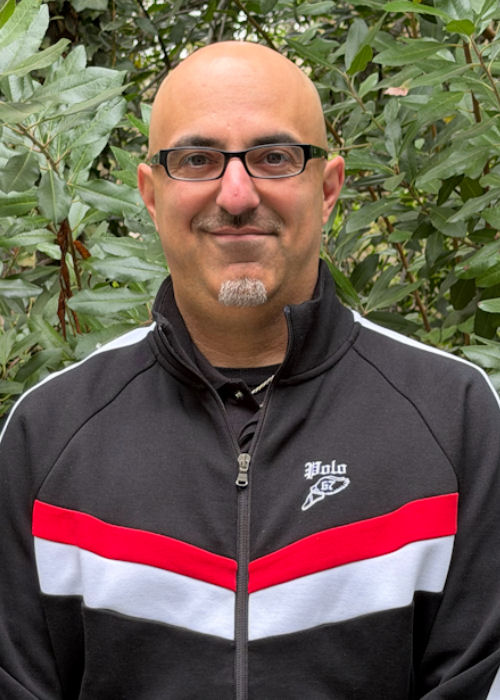
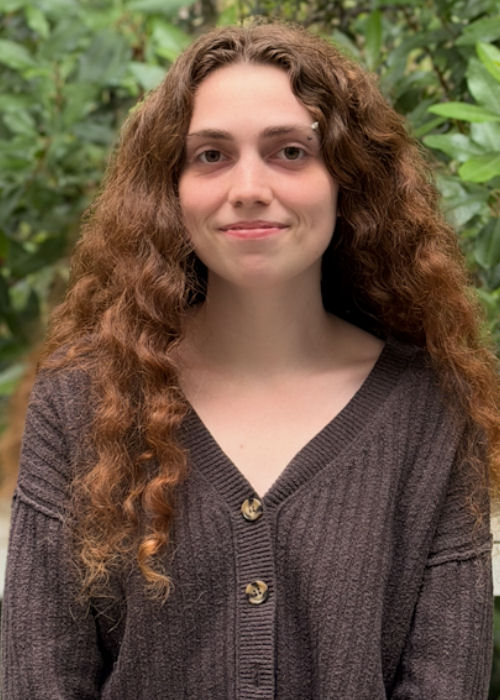
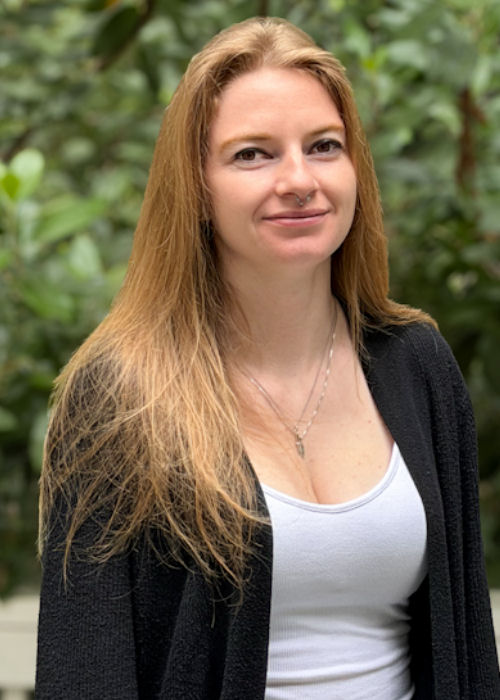
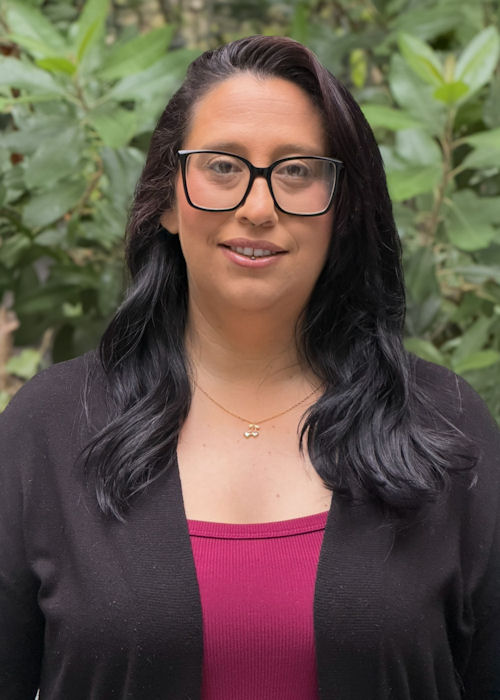
Our Expert Team

The team at Altitude Recovery is made up of compassionate professionals dedicated to helping you achieve lasting recovery. With decades of combined experience in addiction treatment and mental health care, our staff provides the expertise, empathy, and individualized support needed for true healing. 

Each team member is committed to guiding you toward a healthier, more fulfilling life—one step at a time. Learn more by clicking on a profile below.

Start DBT-Based Addiction Treatment in Ventura County

If addiction is affecting your life or the life of someone you love, now is the time to reach out. Recovery is not only possible—it is achievable with the right support, the right tools, and the right team behind you.

When to Seek Help: Taking the First Step Toward Recovery

The decision to seek help is one of the most courageous steps a person can take. Whether someone is in the early stages of addiction or has been struggling for years, it is never too late to begin the recovery process. DBT provides a clear, structured path forward, and Altitude Recovery is ready to walk that path alongside every client.

How to Contact Altitude Recovery Community for DBT

Reaching out to Altitude Recovery is simple and confidential. The admissions team is available to answer questions, discuss treatment options, and guide individuals and families through the process of getting started. No one has to navigate this alone—Altitude Recovery’s team is here to help every step of the way.

Verifying Insurance and Exploring Scholarship Opportunities

Altitude Recovery makes it easy to verify insurance benefits before admission. The admissions team can walk clients through their coverage, explain any out-of-pocket costs, and discuss scholarship opportunities for those who qualify.

Taking the first step toward DBT-based addiction treatment in Ventura County starts with a single conversation. Contact Altitude Recovery Community today to learn how personalized, evidence-based care can change your life.

DBT Ventura County Frequently Asked Questions

DBT is unique because it combines acceptance-based strategies with active skill-building across four core areas: mindfulness, distress tolerance, emotional regulation, and interpersonal effectiveness. Unlike traditional talk therapy, DBT gives clients practical tools they can use immediately to manage cravings, emotions, and relationships. This skills-first approach makes it especially effective for individuals who have not found lasting success with other treatment methods.

The length of DBT treatment varies depending on the individual’s needs and the severity of their addiction. Residential treatment programs typically range from 30 to 90 days, with DBT skills continuing to be reinforced through aftercare and ongoing therapy. A clinical assessment at Altitude Recovery can help determine the appropriate level and duration of care.

Clients can expect a structured daily schedule that includes individual therapy, group skills training, and evening recovery meetings—all within a supportive, luxury residential environment. Treatment is personalized to each client’s clinical needs and adjusted regularly as they progress. The six-person cohort model ensures individualized attention throughout the process.

Altitude Recovery accepts PPO and POS insurance plans, and many clients find that their benefits cover a significant portion of treatment costs. The admissions team can verify insurance benefits quickly and confidentially before admission. Scholarship opportunities may also be available for those who need additional financial assistance.

DBT is a strong fit for individuals who struggle with emotional dysregulation, impulsivity, trauma, or repeated relapses. A clinical assessment at Altitude Recovery can help determine whether DBT is the right approach and how it should be integrated into a personalized treatment plan. Reaching out to the admissions team is a confidential, no-obligation first step.