
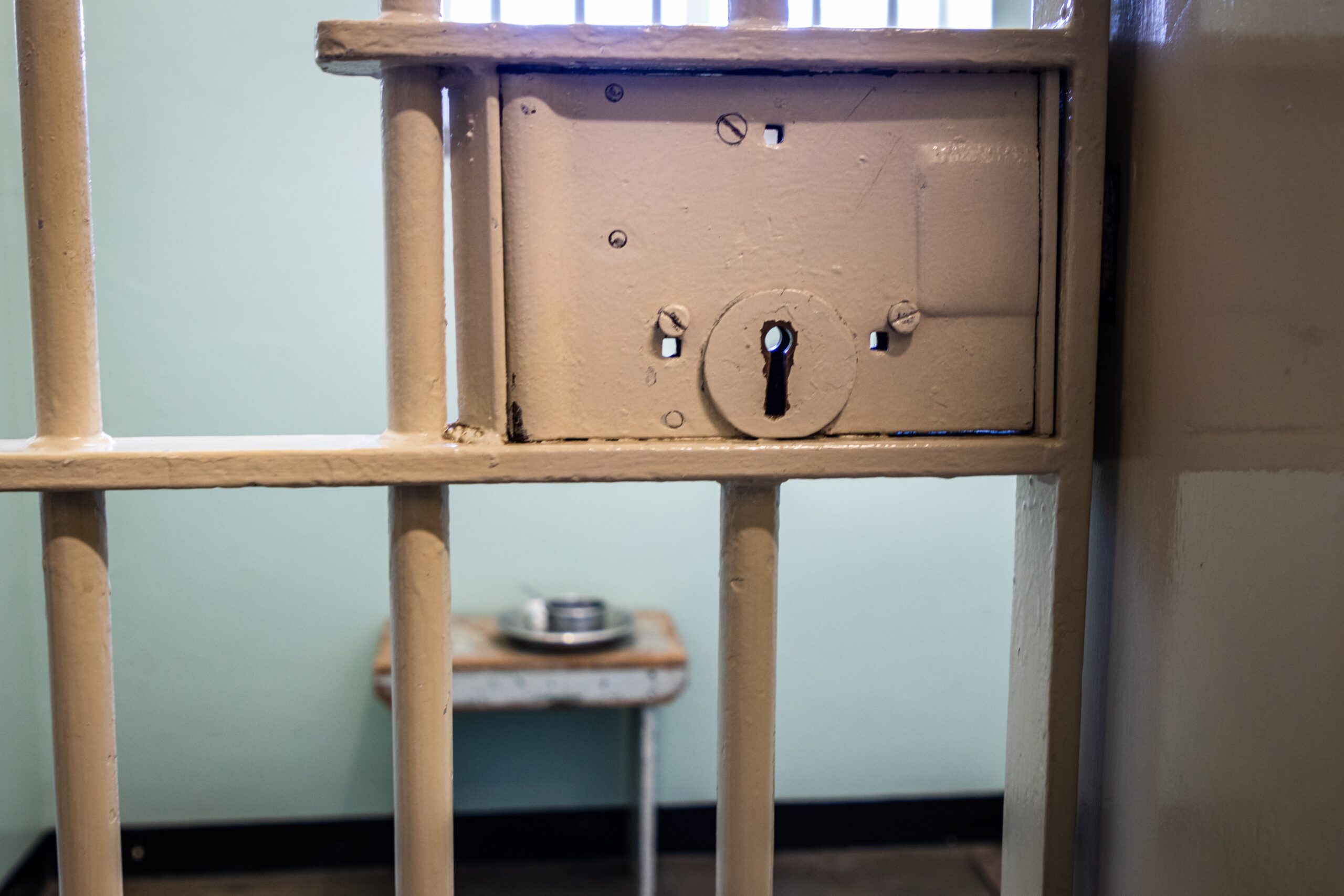
Navigating the complexities of rehabilitation while on probation presents both challenges and opportunities for transformative growth. For those on probation, engaging in rehabilitation is not just a journey toward personal recovery; it’s also a critical step in adhering to legal mandates. This detailed guide provides insights and advice for individuals at this pivotal juncture, incorporating essential information on Oxnard substance abuse treatment and inpatient drug rehab in California.
Probation and Rehabilitation: A Synergistic Approach
Probation represents a chance for supervised freedom after a crime conviction, often viewed as restrictive. Yet, when integrated with rehabilitation efforts, probation becomes a transformative opportunity. Rehabilitation is crucial for tackling the root causes of criminal behavior, especially when related to substance abuse or mental health, thereby diminishing the likelihood of reoffending.
The Legal Context: Rehabilitation as a Probation Requirement
From a legal standpoint, rehabilitation programs frequently constitute a component of probation terms. Courts acknowledge the rehabilitative process’s significance in promoting behavioral change, making rehabilitation while on probation not merely a personal choice but often a legal prerequisite or strongly advised route.
Steps for Rehab Consideration During Probation
- Engage with Your Probation Officer: Initial discussions about your rehab intentions with your probation officer are vital. They can guide you toward programs like those found in Oxnard substance abuse treatment centers, ensuring your choices comply with probation requirements.
- Selecting the Right Rehab Program: The decision on a rehab program should be made with care. Factors such as the nature of the program, its duration, and whether it specializes in particular substances or behaviors should be considered. It’s crucial that the program, perhaps one like a drug and alcohol detox center in Malibu.
- Fully Understand Probation Conditions: Knowing the specifics of your probation terms is imperative. Conditions might directly mandate rehab attendance and include stipulations such as undergoing regular drug tests or check-ins with your probation officer.
- Maintain Open Communication: Keeping the lines of communication open with both your probation officer and the rehab facility, perhaps an inpatient drug rehab in California, ensures you stay within the bounds of your probation terms and facilitates necessary adjustments.
Benefits of Pursuing Rehab During Probation
Engaging in rehabilitation during probation is laden with advantages:
- Addressing the Underlying Causes: Rehabilitation arms individuals with the resources to confront the issues that led to their criminal behavior.
- Reducing Recidivism: Directly tackling these root causes substantially lowers the chances of reoffending.
- Providing Support and Structure: The structured setting of rehab programs, especially during the transitional phase of probation, is conducive to recovery.
- Favorable Legal Outcomes: Successful rehab completion can positively influence legal perspectives, potentially leading to probation term reductions or other legal advantages.
Navigating Challenges
Despite the benefits, there are hurdles to consider:
- Cost and Accessibility: The financial aspect of rehab programs can be a barrier for many, and not every program may fit each individual’s specific needs.
- Juggling Probation and Rehab Demands: Balancing the requirements of both probation and rehab can prove demanding. A robust support system is essential.
- Overcoming Stigma: The stigma related to rehabilitation and criminal records can pose additional challenges, making personal and societal acceptance part of the rehabilitation journey.
Initiating a rehab program while on probation marks a bold stride towards a positive transformation. With careful planning and dedication, this path can be navigated successfully. Rehabilitation during this time not only facilitates personal recovery but also aids in legal adherence and reintegration into society, embodying a journey towards not just legal compliance but a renewed life direction.
Altitude Recovery, a top-tier, avant-garde rehab center in the beautiful area of Camarillo in Ventura County, California, offers comprehensive treatment for drug and alcohol addiction. Serving clients from Ventura, Oxnard, Thousand Oaks, Ojai, Simi Valley, Malibu, across Southern California, and from other states, we specialize in providing detox and residential rehab solutions. The ethos of Altitude Recovery Community is anchored in the importance of a tight-knit community and individualized treatment strategies for sustainable recovery. Our goal is to harmonize evidence-based therapy with holistic approaches, meticulously crafting personalized treatment plans for our clients’ recovery journeys. For premier addiction treatment services, contact us today.