
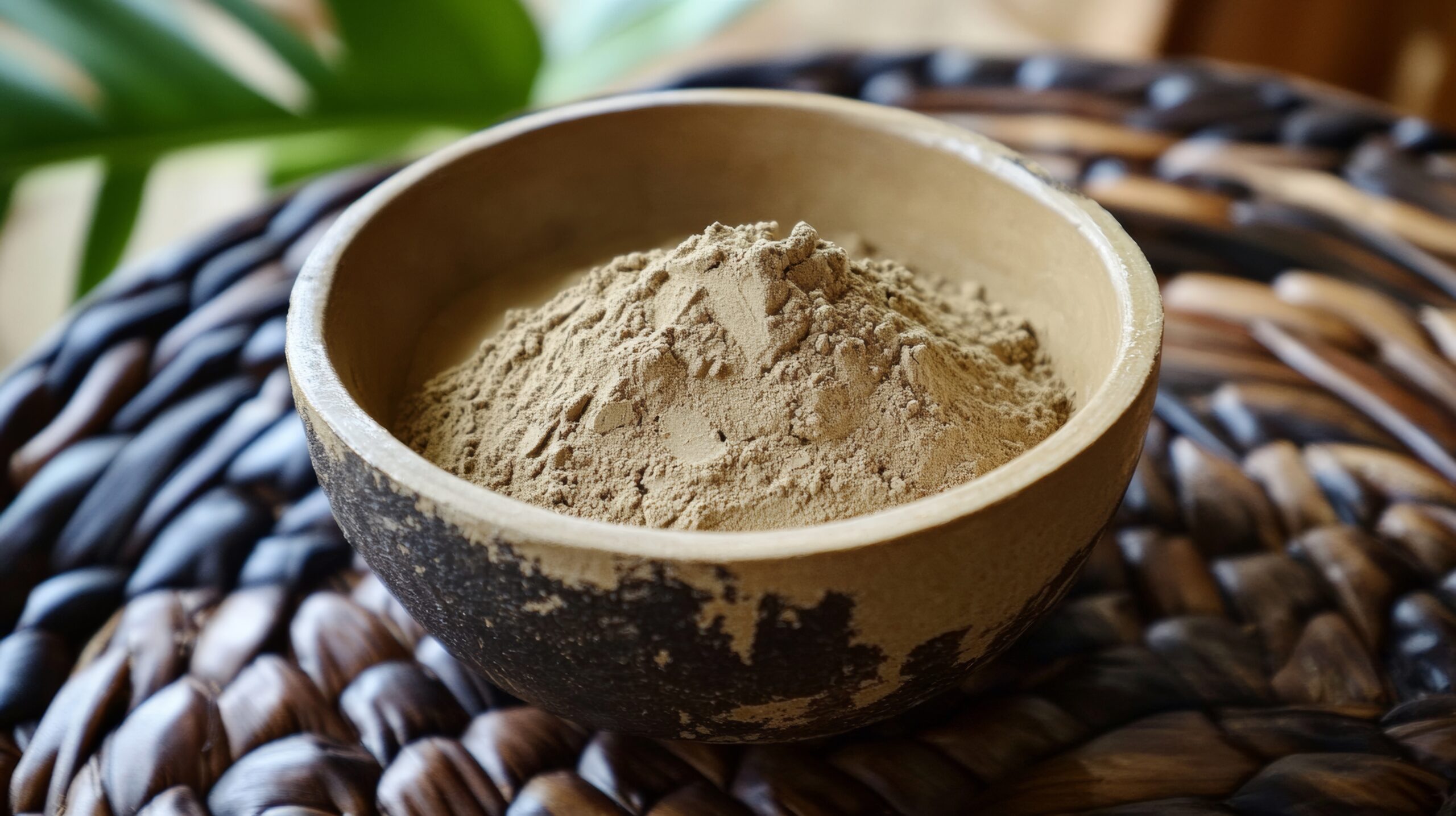
Kava is not widely used in the United States, and many people encounter it casually rather than intentionally. It may show up as a tea, a supplement, or a recommendation for stress or sleep, framed as natural or mild. Because of that, its effects on the nervous system are not always clearly understood. When someone decides to step away from kava, uncertainty can follow. This article offers a clear look at kava detox, including side effects, withdrawal symptoms, and what supportive care may involve.
A Clear Look at What Kava Is
Kava is a plant native to the South Pacific, where it has long been used in cultural and ceremonial settings for its calming effects. Traditionally prepared as a beverage, it was valued for promoting relaxation and mental clarity without the intoxication associated with alcohol.
In the United States, kava is less familiar but increasingly available in teas, powders, capsules, and drinks marketed for stress, anxiety, or sleep support. Its reputation as soothing yet clear-headed often makes it feel like a gentler alternative to other substances.
Kava’s active compounds, known as kavalactones, interact with the nervous system and brain pathways involved in mood and emotional regulation. While some people experience temporary relief, regular or heavy use can affect the brain’s reward systems, making dependence more likely and leading to more uncomfortable over time.
Why People Turn to Kava
Many people begin using kava with practical intentions. It is often used to unwind after stressful days, support sleep, ease social anxiety, or manage tension without relying on prescription medications.
Early effects may feel subtle and manageable, reinforcing the idea that kava is easy to control. Because it is plant-based and culturally familiar, it is often viewed as gentler than other substances.
Like other plant-based substances such as kratom, kava is sometimes seen as a lower-risk option, which can make it harder to notice when use has quietly shifted from occasional support to something that feels more difficult to step away from.
Why Kava Is Often Underestimated
Kava is frequently underestimated because it does not create an immediate crash or obvious impairment. Its effects tend to feel smooth and controlled, which can make ongoing use seem low-impact.
Another factor is how slowly changes can develop. Instead of clear warning signs, people may notice subtle shifts in mood, sleep, or reliance on kava to relax. By the time concerns arise, stopping may feel more uncomfortable than expected.

How Kava Affects the Body and Nervous System
Kava’s calming effects come from how its active compounds interact with neurotransmitters involved in stress, mood, and muscle tension. Many people experience a sense of relaxation shortly after use, often without feeling mentally impaired.
With repeated or heavy use, the body may begin to respond differently. Changes in energy, digestion, or emotional balance can emerge as the nervous system adapts, and there have been concerns about how kava is processed by the liver with prolonged use. These kava side effects tend to develop gradually, which is why they are often overlooked until use feels harder to step away from.
Who Needs Kava Detox?
Not everyone who uses kava requires detox support. However, kava detox may be worth considering when stopping feels uncomfortable, symptoms interfere with daily life, or use has become difficult to reduce without distress.
People who benefit from detox often include those who:
- Use kava daily or in high amounts
- Experience withdrawal symptoms when reducing or stopping
- Rely on kava to manage stress or sleep
- Have health concerns that may be affected by continued use
The Effects of Ongoing Kava Use
With continued use, some people begin to notice effects that extend beyond the initial calming benefits.
These may include:
- Digestive discomfort or nausea
- Changes in skin appearance or dryness
- Reduced motivation or emotional flattening
- Increased fatigue
- Concerns related to liver health, particularly with heavy or prolonged use
Not everyone experiences these effects, but their gradual nature is often what leads people to reassess their relationship with kava.
When Stepping Away From Kava Feels Harder Than Expected
For some individuals, stopping kava is straightforward. For others, it feels more challenging, especially if kava has become part of daily routines or emotional regulation. In these situations, detox offers a structured way to step away safely. Rather than forcing the body through discomfort alone, kava detox focuses on stabilization, comfort, and gradual adjustment.
Kava Withdrawal Symptoms and What People Often Experience
Kava withdrawal symptoms vary, but they are often more subtle than withdrawal from other substances. Even so, they can feel disruptive or unsettling.
Psychological Symptoms
As the nervous system adjusts without kava, emotional and mental changes are often the first things people notice. These experiences can feel unsettling, especially if kava was previously used to manage stress or anxiety.
- Anxiety or restlessness
- Irritability or low mood
- Increased stress sensitivity
Physical Symptoms
Physical symptoms tend to reflect the body recalibrating after regular kava use. While they are usually mild, they can still affect comfort and daily functioning during the adjustment period.
- Difficulty sleeping
- Fatigue or low energy
- Digestive discomfort
- Headaches or muscle tension
Behavioral Changes
Behavioral shifts often appear more subtly. These changes are not a lack of willpower, but signs that routines or coping strategies are being reworked without kava.
- Cravings or urges to use kava
- Changes in daily routines
- Increased reliance during stressful situations
The Role of Medical Support in Kava Detox
Medical support during detox is not always required, but it can be helpful when symptoms feel disruptive or when health concerns are present. Supervision allows for monitoring, reassurance, and comfort-focused care.
In some cases, kava detox treatment helps reduce uncertainty and supports a smoother transition away from use, especially when kava has played a central role in daily functioning.

A Closer Look at Kava Detox Treatment
Kava detox treatment typically begins with a clinical assessment to understand use patterns, health history, and current concerns. Care is individualized rather than standardized.
Support may include monitoring, guidance around sleep and stress, and a calm environment that allows the nervous system to stabilize. The focus is not speed, but steady progress.
How Long Kava Detox Typically Takes
The length of kava detox varies. Some people feel more stable within days, while others benefit from additional time and support.
Rather than following a fixed timeline, responsible detox care focuses on comfort, progress, and individual needs.
Moving Forward After Kava Detox
After kava detox, many people focus on settling back into daily life without relying on kava to manage stress, sleep, or tension. After detox, some people look for ways to support recovery without creating new dependencies, including evidence-informed natural supplements that can help the body stabilize during the adjustment period.
This period is often about noticing what feels different, what feels easier, and where extra support might be useful. Some people choose to adjust routines or coping strategies on their own, while others find value in additional guidance. There is no required next step. The focus is on maintaining stability in a way that fits personal goals, responsibilities, and pace.
How Kava Detox Is Approached at Altitude Recovery
Altitude Recovery offers kava detox treatment in a setting designed for privacy and respect. Care is shaped around individual circumstances, with attention to discretion and clinical clarity. Support is available when it feels appropriate, and decisions are always guided by what makes sense for you.
FAQs About Kava Detox Use and Treatment
Is kava addictive?
Kava is not classified the same way as many addictive substances, but regular or heavy use can lead to physical and psychological dependence for some people. This is often reflected in discomfort or difficulty when stopping.
What are the most common kava side effects?
Side effects can include digestive discomfort, fatigue, changes in mood or motivation, skin dryness, and concerns related to liver health with prolonged or high use.
What do kava withdrawal symptoms feel like?
Withdrawal symptoms may include anxiety, restlessness, sleep disruption, low energy, and increased stress sensitivity. Experiences vary based on duration and frequency of use.
Can kava detox be done at home?
Some people reduce or stop kava on their own, but others find symptoms disruptive or concerning. Professional support can be helpful when discomfort interferes with daily functioning or well-being.
Who typically benefits from kava detox?
Kava detox may be appropriate for people who use kava daily, experience withdrawal symptoms, rely on it to manage stress or sleep, or have health concerns related to ongoing use.
How long does kava withdrawal usually last?
Many symptoms improve within days to a couple of weeks, though emotional or sleep-related changes may take longer. Individual factors play a large role in recovery time.
Is kava detox confidential?
Yes. Reputable detox programs prioritize privacy, consent, and discretion throughout the process.