
If you work at Haas Automation Inc— the world-leader in CNC machines, known for designing and building advanced machine tool equipment like CNC horizontal machining centers, vertical machining centers, CNC lathes, programmable rotary tables, and other precision machine tool accessories — you may be wondering: does Haas drug test? Maybe you’re concerned that seeking help for substance use could threaten your job in a high-stakes manufacturing environment.
At Altitude Recovery, a luxury treatment center in Camarillo, California, we understand these fears. We know people working around heavy machinery, precision tools, and complex systems often feel the pressure deeply. If you’re struggling with addiction, you might hesitate to seek help — but we believe health, safety, and recovery deserve real attention. Here, we’ll share what’s publicly known about drug-testing and benefits policies at Haas, and what it could mean for you if you decide to seek help.
What We Know About Haas’s Drug-Testing Policy
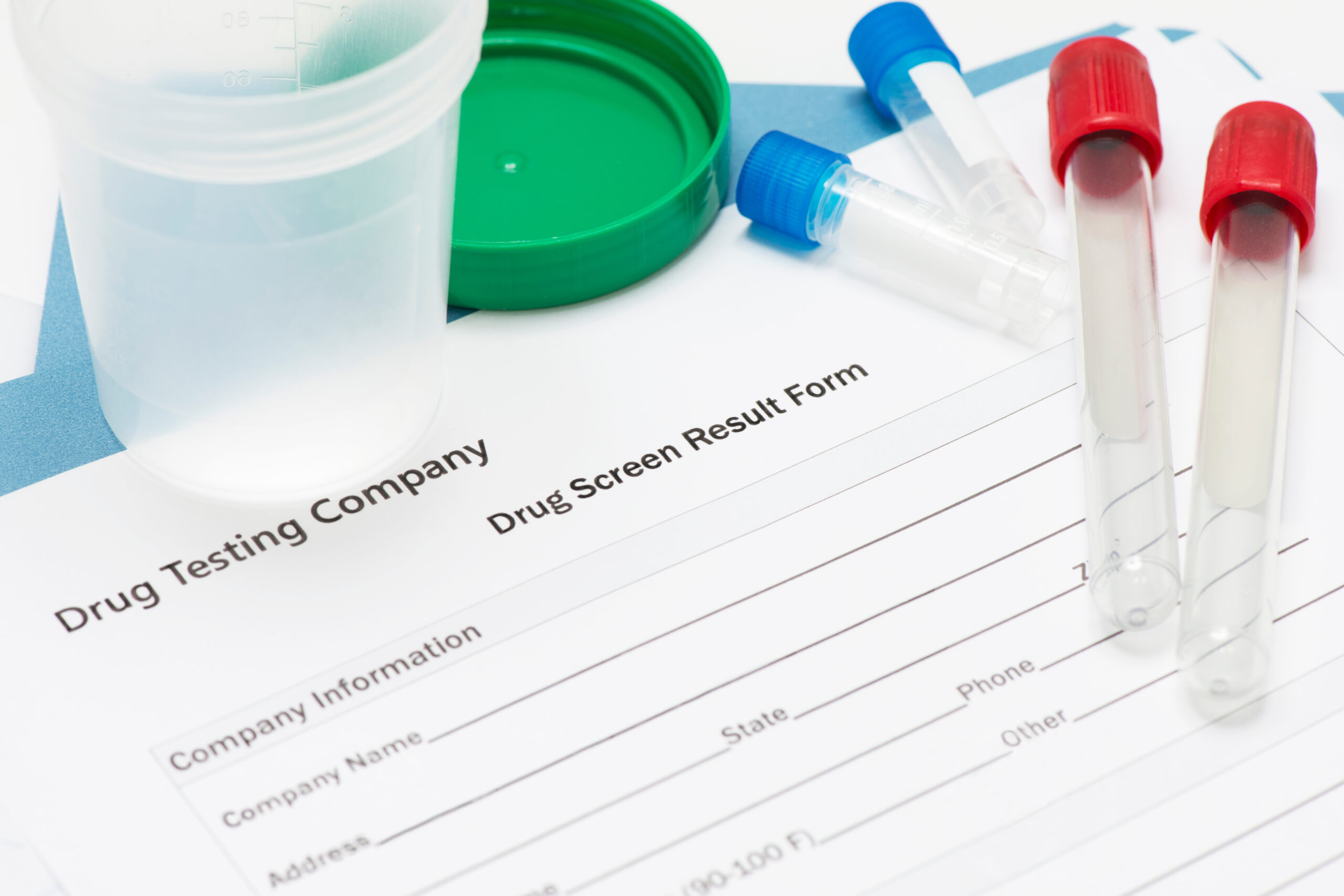
Haas Automation explicitly states that it is a “Drug-Free Workplace.” Before receiving a formal offer of employment, applicants are required to pass a physical examination, including a drug screen.
This means that new hires — whether you’ll work on CNC machines, maintenance, manufacturing, or other roles within the machine tool industry — should expect to undergo a drug test as part of onboarding.
As for current employees, public documentation does not clearly say whether Haas conducts routine random drug testing; most documented policy information centers on pre-employment screening. What that suggests: if you are already on staff and not in a role deemed safety-sensitive or requiring re-screening, you may not face frequent random testing — though this can vary by facility or job function.
Haas Automation’s employee reviews and benefits summaries confirm that the company offers standard employment benefits such as health insurance, dental, vision, disability, 401(k) retirement savings, and more.
Given that Haas employees work in manufacturing heavy, precision machine tools in potentially hazardous environments, it’s reasonable that the company maintains a strict drug-free policy to ensure safety, quality, and reliability across its operations.

What Are Their EAP and FMLA Rules?
Employee Benefits at Haas — What We Know
Haas offers a standard benefits package to many employees: health and wellness coverage, vision and dental plans, long-term disability, life insurance, retirement (401(k)), and paid vacation or time off.
However, there is little publicly available, verified information stating that Haas Automation offers a formal Employee Assistance Program (EAP) specifically for substance use or mental-health treatment. Because of that lack of public data, if you work at Haas and are considering rehab or other support, you can discuss this with HR under the assumption that you may need to manage leave or treatment independently.
Leave Policies & The Possibility of FMLA Leave
Because Haas is a U.S.-based manufacturing employer, it is likely subject to federal law including the Family and Medical Leave Act (FMLA), which allows eligible employees (generally after at least 12 months of employment and sufficient hours worked) to request up to 12 weeks of unpaid, job-protected leave for serious health conditions. Substance use disorder, when properly documented as a serious health condition, can qualify for FMLA leave in many cases.
So, if you meet FMLA eligibility (hours worked, length of employment, facility covered by FMLA), you may be able to submit for leave to receive treatment, and maintain some job protection while working on your recovery.
That said: Because Haas does not publicly confirm an EAP or structured return-to-work program for substance use, using FMLA or other leave for rehab would likely require you proactively coordinate with HR and perhaps provide medical documentation.
What This Means If You’re Struggling With Substance Use at Haas
As a new hire at Haas — whether joining CNC machining, maintenance, manufacturing, or machine-tool assembly — expect a drug test before your employment is formalized.
For existing employees: while routine random testing is not evidently documented, the “Drug-Free Workplace” policy may still apply — especially in roles involving heavy machinery, CNC machines, or machine tool accessories.
Haas offers health and insurance benefits, but no publicly confirmed EAP for addiction support — meaning you may need to seek treatment externally or privately.
FMLA may offer a potential path to take protected leave for treatment, if you meet requirements and can document a serious health condition.
If addiction is affecting you, delaying help may increase your risk — especially in a heavy-machinery environment. Recovery could help preserve safety, health, and your long-term career.
Why Recovery Should Be a Priority — Even in Skilled Manufacturing Work
Working in the machine tool industry, especially at a company like Haas Automation — the largest machine tool builder in the U.S. — means you’re often operating or around heavy, precise, and sometimes dangerous equipment: horizontal machining centers, vertical machining centers, CNC machines, rotary tables and indexers, tooling systems and accessories. Mistakes or impairment can be catastrophic.
Your skills matter. Your training matters. And so does your well-being. Seeking treatment doesn’t mean giving up — often it means protecting everything you’ve worked for: your craft, your job, and your future.
At Altitude Recovery, we understand the weight of working in such technical, high-stakes roles. We respect the pride machinists and technicians take in their work — and we want to help you get back to that with clarity, health, and purpose.
How Altitude Recovery Can Support Haas Employees
If you’re working at Haas Automation and struggling with substance use, know this:
You don’t have to choose between your job and your health.
Altitude offers a private, evidence-based, compassionate treatment environment — ideal for people with technical, skilled labor backgrounds who value discretion and professional respect.
We can help you plan recovery in a way that acknowledges your work history, your skills, and your commitment to safety and excellence.
We provide tools and support to help you return to work stronger, more focused, and ready to contribute again.
If you’re worried about a drug test, about losing your job or throwing away your training — reach out. It’s possible to get help without losing everything.
Final Thought
Does Haas drug test? — yes, especially at hiring time. For certain divisions, regular drug-free policies remain in place to ensure safety and quality. But the lack of public confirmation of ongoing random testing or a formal EAP means things aren’t always straightforward.
If substance use is affecting you, waiting might feel safer — but it likely isn’t. Getting help could save more than just your job. It could save your life. Reach out today to start the conversation.
FAQs
Will Haas Automation fire me if I seek help for substance use?
Not necessarily. While Haas maintains a Drug-Free Workplace policy, termination is not automatic if an employee proactively seeks treatment. The best approach is to request medical leave through HR before job performance or safety is impacted.
Does Haas offer any confidentiality options when discussing health concerns?
Yes. Conversations you initiate with HR about medical needs — including addiction treatment — are generally considered confidential and should not be shared broadly within the company.
If I take leave for treatment, will my health insurance coverage continue?
Typically, yes. For eligible employees using FMLA or other medical leave, health insurance often continues under the same terms as if you were actively working.
Can I return to my same role after inpatient rehab?
If you qualify for FMLA and complete approved leave, your role — or a similar position with equal pay and benefits — is protected upon return, as long as you follow company policy and submit required documentation.
What if my job involves operating or working near dangerous machinery?
Because Haas facilities include heavy machinery environments, early treatment is even more important to ensure workplace safety. Taking leave before a problem escalates can protect both your job and your safety.
When should I talk to HR if I need support?
As soon as substance use begins to affect your health, mood, or ability to work safely. Requesting help early is often viewed more favorably than waiting until job performance declines.
What does Haas Tooling offer to employees and customers?
Haas Tooling provides a wide range of machining solutions, including cutting edge tools and accessories designed to complement Haas CNC machines with reliable performance and affordability.
Why are fully programmable rotary tables important in the machining environment?
Fully programmable rotary tables help machinists achieve high accuracy during complex machining operations, improving precision on parts that require multi-axis positioning.
Why does Haas manufacture rotary tables and rotary indexers?
Haas produces rotary tables and rotary indexers to enhance the capability and flexibility of their product line, supporting shops that require advanced, multi-axis machining performance.
How has the company expanded its product offerings over the years?
As the company entered more advanced stages of design and production, the product line grew to include CNC machines, tooling, rotary products, and a wide range of machine tool accessories to support evolving customer needs.
What makes Haas products considered cutting edge in the machine tool industry?
Haas equipment is known for delivering cutting edge technology at competitive pricing, allowing shops across the western world to access high accuracy machining solutions without sacrificing quality.ave your health, your future, and your ability to keep working in the world of precision machinery you know and care about.
Are Haas machines used in mill operations?
Yes. Many Haas machines are designed for mill operations, including vertical and horizontal machining centers that cut precise parts for aerospace, automotive, medical, and other advanced industries.
Where are Haas Automation machines manufactured and serviced?
Haas Automation is headquartered and manufactured in Oxnard, California, where the company also provides extensive parts service and support for customers across the world.
What kind of service support does Haas offer for CNC machines?
Haas provides fast and reliable service through local HFOs (Haas Factory Outlets) to keep CNC mill and lathe equipment running efficiently, minimizing downtime and production disruptions.