Did you know that 12% of Americans take benzodiazepines? When used correctly, this medication can be a lifesaver for people with anxiety disorders.
However, medications like Ativan have a high risk of misuse or abuse. Despite these medications’ success in relieving anxiety symptoms, many physicians are reluctant to prescribe them.
In some instances, only a psychiatrist can prescribe benzos.
If these medications work so well, why are physicians so strict about prescribing them?
In this article, we’ll learn more about how benzodiazepines work and what to do if you or someone you love struggles with addiction to these medications.
The History of Benzodiazepines
Polish-American chemist Leo Sternbach was the first to synthesize benzodiazepines. He developed Librium in 1955. The drug went on the market in 1960 as Librium.
Pharmaceutical company Hoffman-La Roche saw their sales skyrocket and they formulated and sold Valium in 1963.
Previous tranquilizers came with significant risks. One of the most concerning was the depression of the respiratory system. These new medications were advertised as lowering that risk.
Valium was nicknamed “mother’s little helper,” and by the 1970s, benzos were among the most prescribed medications in the country.
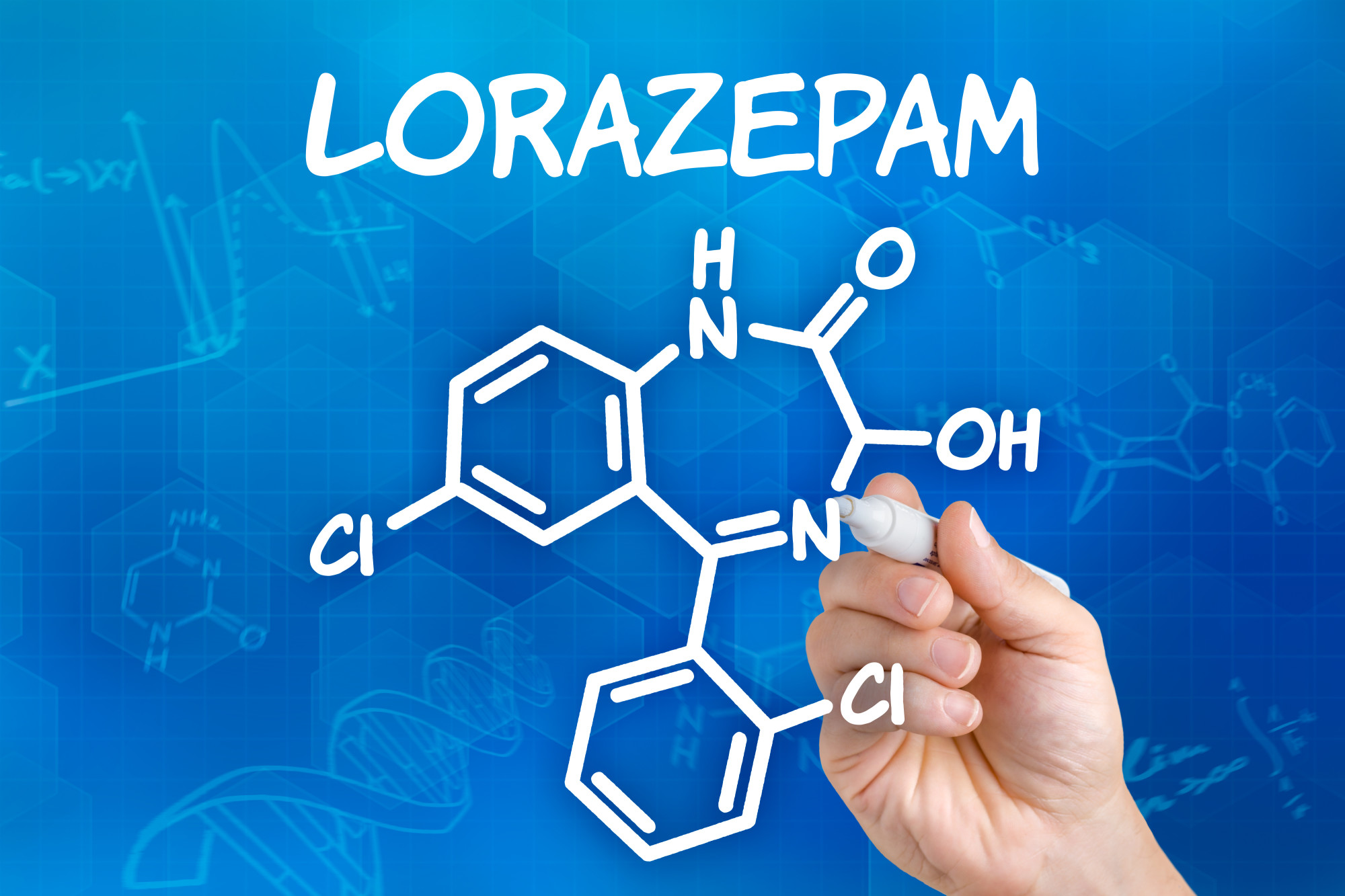
Ativan, also known as the generic drug lorazepam, hit the market in 1977. Xanax, or alprazolam, reached pharmacy shelves the year before.
These medications appeared to be cure-alls. Patients reported fewer anxiety symptoms, better sleep, and improved quality of life.
However, in the 1980s, medical experts began to realize the high rate of addiction among benzo users. They understood that more caution was needed before prescribing these medications.
Clinical Uses for Ativan and Related Medications
As with all medications, your doctor evaluates the risks and benefits. Ativan and other benzodiazepines are used frequently for many medical conditions. Ativan is often used to stop seizures in emergency settings or as a prescription sedative.
Xanax and Librium help relieve the severe withdrawal effects seen in those with alcohol use disorder.
These medications are also advised for severe anxiety and panic attacks. Benzodiazepines might also work with anti-depressants for people with bipolar disease.
Valium is also an effective muscle relaxer.
Who Should Not Take Ativan
Ativan can cause breathing problems, so those with severe lung disease or asthma should not take it. Liver and kidney disease may also mean you’re not a good candidate for Ativan.
People with a history of drug and alcohol misuse must use Ativan very carefully. Your doctor may prescribe small doses and will reevaluate your response to Ativan over time. However, Ativan may be used to ease drug and alcohol withdrawal symptoms.
Older adults should always take low doses of Ativan, and children should not use Ativan. Pregnant and breastfeeding women should use extreme caution with Ativan.
Why Is Ativan So Addictive?
Ativan and other benzos have a specific function in the brain. These drugs help neurotransmitters to a particular protein in the brain. Benzos work quickly to relieve anxiety and promote relaxation.
The problem is that the brain relies on Ativan to repeat the same outcome, but tolerance builds quickly. A patient may start at a small dose but might need a higher dose to achieve the same effect, sometimes within weeks.
Since doctors prescribe benzos sparingly, they’re reluctant to increase dosages without a clear reason. For people who have developed a tolerance, this might mean they seek the drug elsewhere.
This is particularly dangerous as many street drugs labeled as Ativan could contain fentanyl.
The Dangers of Ativan Withdrawal
You should never suddenly stop taking Ativan and other benzos. Benzo addiction is severe and often requires medical intervention.
First, anxiety, restlessness, and insomnia are common when stopping Ativan treatment. Nausea, tremors, and a rapid heartbeat are also common.
However, the most dangerous withdrawal symptom is a seizure. Withdrawal seizures can happen at any time and to people who are taking low or high doses.
Beating an addiction to a prescription sedative often requires medical treatment.
Benzo Addiction Treatment
Most addiction medicine specialists recommend medical treatment for benzo addiction. Physicians will evaluate the severity of the addiction, including the duration of use and how much of the drug you’ve been taking. The treatment protocol might be different for everyone.
One of the most common forms of treatment is tapering. Your doctor will slowly decrease your dose over time. Since this can cause withdrawal symptoms, other medications may also be part of the treatment.
Longer-acting sedatives, anti-nausea medication, and other medicines are usually prescribed to keep the patient comfortable.
One of the goals of treatment is to determine if the patient needs to lower their dose or stop taking Ativan altogether. Your doctor will consider your physical and mental health and the risks involved.
If outpatient treatment is an option, your doctor may lower your dose of Ativan and work out a schedule with your pharmacy. You may be able to pick up your medication once a week as you taper off. However, this type of treatment schedule might not work for everyone.
For some people, inpatient treatment is the best way to recover from a benzo addiction. Inpatient treatment allows medical professionals to monitor you carefully while reducing the number of benzodiazepines you take. They’ll also be able to assist you more quickly in the event of a withdrawal crisis.
Inpatient treatment also gives you and your healthcare team time to address the reasons you started taking benzos. Then they can better understand ways to help manage your medical concerns using other, less addictive medications.
Conquer Ativan Addiction the Right Way
Benzodiazepines like Ativan can be excellent for the short-term treatment of anxiety and other mood disorders. However, they’re highly addictive, and stopping almost always requires medical help.
If you or someone you know is struggling and needs benzo addiction treatment or other prescription medication, we can help. Click here to learn more about our Ventura County benzo detox center and how a brighter future is within reach.