

Altitude Recovery is a luxury residential treatment center located in Camarillo, serving Ventura County and surrounding communities including Thousand Oaks, Westlake Village, Agoura Hills, Los Angeles, and Santa Clarita. Our program is built around the belief that addiction is a disease, not a moral failure, and that every person deserves individualized care.
With a six-bed residential setting, Altitude Recovery offers something most large facilities cannot: genuine connection. Clients receive personalized treatment plans, 24/7 physician and nursing support, psychiatric evaluation, and evidence-based therapies in an environment that feels safe and supportive from day one.

Anxiety disorders are not simply a matter of feeling nervous or stressed. They are recognized medical conditions that affect how a person thinks, feels, and functions on a daily basis. Anxiety is one of the most common mental health conditions in the United States, with 1 in 6 adults being affected. Understanding what anxiety actually is helps clarify why professional treatment is often necessary.
Anxiety vs. Everyday Stress: Key Differences
Everyday stress is a normal response to life’s challenges and typically fades once the situation resolves. Anxiety disorders, by contrast, involve persistent, excessive worry or fear that continues even when there is no clear threat.
The key difference is duration and intensity. When anxiety begins to interfere with daily responsibilities, relationships, or physical health, it has moved beyond normal stress and into disorder territory that warrants clinical attention.
Most Common Types of Anxiety Disorders
Several distinct anxiety disorders are recognized by mental health professionals, each with its own pattern of symptoms:
- Generalized Anxiety Disorder (GAD): Persistent, excessive worry about everyday matters
- Panic Disorder: Recurrent, unexpected panic attacks accompanied by intense physical symptoms
- Social Anxiety Disorder: Intense fear of social situations and being judged by others
- Specific Phobias: Overwhelming fear of a specific object or situation
Each of these conditions can significantly disrupt a person’s quality of life and may contribute to substance use when left untreated.
How Anxiety Affects Daily Life and Functioning
Anxiety disorders can make even routine tasks feel overwhelming. Concentration becomes difficult, sleep is disrupted, and motivation often declines. Over time, untreated anxiety can erode a person’s ability to maintain employment, sustain relationships, and care for themselves.
The cumulative toll of living with chronic anxiety is significant. Many individuals begin to withdraw from activities they once enjoyed, which can deepen feelings of isolation and hopelessness.

Recognizing the signs of an anxiety disorder is an important first step toward getting help. Symptoms can appear across emotional, physical, and behavioral dimensions, and they often overlap in ways that make the condition harder to identify without professional guidance.
Emotional and Psychological Symptoms of Anxiety
Emotional symptoms of anxiety include persistent worry, a sense of dread, difficulty concentrating, and feeling on edge or irritable. Many people also experience racing thoughts, fear of losing control, or a sense that something bad is about to happen.
These symptoms can feel relentless and exhausting. Over time, they may contribute to depression or other mental health challenges, making early intervention especially important.
Physical and Behavioral Signs of Anxiety Disorders
Anxiety is not only a mental experience. It produces real physical symptoms, including:
- Rapid heartbeat or chest tightness
- Shortness of breath
- Muscle tension or headaches
- Sweating, trembling, or dizziness
- Gastrointestinal distress
- Difficulty sleeping or staying asleep
Behaviorally, anxiety often leads to avoidance. People may stop going to work, cancel social plans, or begin using substances to manage how they feel.
Impact of Anxiety on Relationships, Work, and Well-Being
Chronic anxiety strains relationships by making communication difficult and increasing emotional reactivity. At work, it can reduce productivity, increase absenteeism, and make it hard to meet responsibilities.
The broader impact on well-being is equally serious. When anxiety goes untreated, it tends to worsen over time, especially when substance use enters the picture.

Anxiety and substance use disorders frequently occur together, and the relationship between them is complex. Each condition can fuel the other, creating a cycle that becomes increasingly difficult to manage without professional support.
Why Individuals Self-Medicate Anxiety with Drugs or Alcohol
Many people turn to alcohol, opioids, benzodiazepines, or other substances to quiet the noise of anxiety. In the short term, substances can create a sense of calm or relief. This temporary effect reinforces the behavior, making it more likely to continue. What begins as self-medication can quickly become dependence.
What is the Link Between Anxiety and Addiction?
Understanding the link between substance use and anxiety is crucial for long-term recovery. When individuals use substances to cope with anxiety, the brain’s natural ability to regulate stress responses can become compromised over time. As the effects of the substance wear off, anxiety symptoms often return with increased intensity, creating a difficult cycle. Addressing both the substance use and the underlying anxiety is essential to breaking this harmful pattern.
Dangers of Treating Anxiety or Addiction Alone
Treating only addiction without addressing anxiety leaves a major trigger unresolved, which significantly increases the risk of relapse. Treating only anxiety without addressing substance use can be equally ineffective, as active substance use interferes with the brain’s ability to respond to therapy and medication.
Integrated treatment that addresses both conditions simultaneously produces better outcomes. Co-occurring mental health and substance use disorders respond more effectively to coordinated, concurrent care than to sequential treatment approaches.
At Altitude Recovery, we believe that effective treatment requires a comprehensive, integrated approach. By addressing the co-occurring nature of anxiety and addiction, we help our clients heal the whole person rather than just managing isolated symptoms. Our residential program in Ventura County provides a stable, supportive environment designed to promote lasting change. We are dedicated to delivering evidence-based care that empowers individuals to reclaim their lives from the grip of mental health struggles.
Medical Detox and 24/7 Clinical Support for Anxiety and Addiction
For individuals whose substance use requires medical supervision during withdrawal, Altitude Recovery provides medical detox with on-call physician and nursing support available around the clock. Withdrawal from alcohol, opioids, and other substances can significantly elevate anxiety, making 24/7 clinical oversight essential for both safety and comfort.
Medical detox at Altitude Recovery is not just about managing physical symptoms. It is the first step in a comprehensive treatment process that continues into residential care.
Individual and Group Therapy for Anxiety Treatment
Individual therapy gives clients a private space to explore the roots of their anxiety, identify triggers, and develop coping strategies with a licensed clinician. Evidence-based approaches such as cognitive behavioral therapy (CBT) are used to help clients challenge unhelpful thought patterns and build more adaptive responses.
Group therapy adds a relational dimension to healing. Sharing experiences with peers who understand the intersection of anxiety and addiction reduces isolation and builds the kind of community that supports long-term recovery.
Psychiatric Evaluation and Medication Management for Anxiety
Every client at Altitude Recovery receives a thorough psychiatric evaluation at admission. This allows the clinical team to assess the nature and severity of anxiety symptoms and determine whether medication may be appropriate as part of the treatment plan.
Personalized Treatment Planning and Family Involvement
Every individual arrives at Altitude Recovery with a unique history, set of challenges, and personal goals. We prioritize creating a highly personalized treatment plan that adapts to each client’s specific needs throughout their stay. Family involvement is also a key component, as it strengthens the support network and fosters healthy communication patterns. By integrating personal goals with family support, we provide a holistic roadmap for sustainable recovery and well-being.

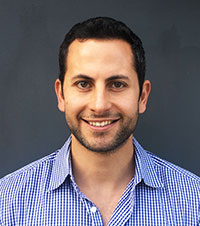
Dr. Eric Chaghouri is a 2007 graduate from the University of California, Los Angeles, where he earned his B. A. in Biology with Summa Cum Laude honors. While at UCLA, he helped the men’s varsity volleyball team earn a National Championship in 2006. He was named the UCLA Scholar-Athlete of the Year in 2007. He earned his medical degree from the Keck School of Medicine in 2011. He completed his internship training in 2008 at Cedars-Sinai Medical Center and the remaining three years of residency in general adult psychiatry at the Los Angeles County and University of Southern California Medical Center. He served as the Chief Resident in psychiatric emergency services during his fourth year of residency. He also served as Resident Clinical Instructor and Volunteer Faculty in the Department of Psychiatry at the Keck School of Medicine.
After completing residency, Dr. Chaghouri accepted a fellowship position in forensic psychiatry at the prestigious USC Institute of Psychiatry and Law. His scholarly activities included publishing in Legal Digest and presenting research findings at the Keck School of Medicine annual conference. Since completing his forensic psychiatry fellowship, he has established a successful and thriving practice in Southern California, focusing on treatment of co-occurring psychiatric and addictive disorders. He has developed a strong clinical team of practitioners who share similar goals and philosophies regarding psychiatric treatment, including providing cutting-edge interventional treatments for psychiatric conditions. He works in an array of capacities with attorneys, courts, and other parties in actual or potential litigation. He also has extensive experience consulting and providing opinions on psychiatric issues for major television networks. Dr. Chaghouri’s interests include addiction medicine, substance use disorders, forensic psychiatry, medical ethics, psychological autopsy, gender wellness, and evidence-based treatment of psychiatric conditions.